Sovereigns are among the most widely held gold coins and among the most misunderstood. Many people assume they are worth their gold content and nothing more, which is true of a great many and quite wrong about others. The difference lies in details that take a minute to check.
What is a sovereign?
A gold coin of a defined weight and fineness, produced in large numbers over a long period, with a half sovereign at half the weight. The gold content is standardised, which means every genuine sovereign has the same bullion value.
That standardisation creates a floor. No sovereign is worth less than its gold, which is why they were widely held as a store of value. What varies is how far above that floor a particular coin sits.
What drives value above bullion?
Date, mint and grade, in combination. Some years were struck in enormous numbers and some in very small ones, and a scarce date in good condition can be worth a substantial multiple of its metal.
Grade matters throughout. An uncirculated coin with full original lustre commands a premium over a worn one of the same date, and the gap widens sharply on the scarcer years. Check the date before assuming any sovereign is simply bullion.
Where is the mint mark?
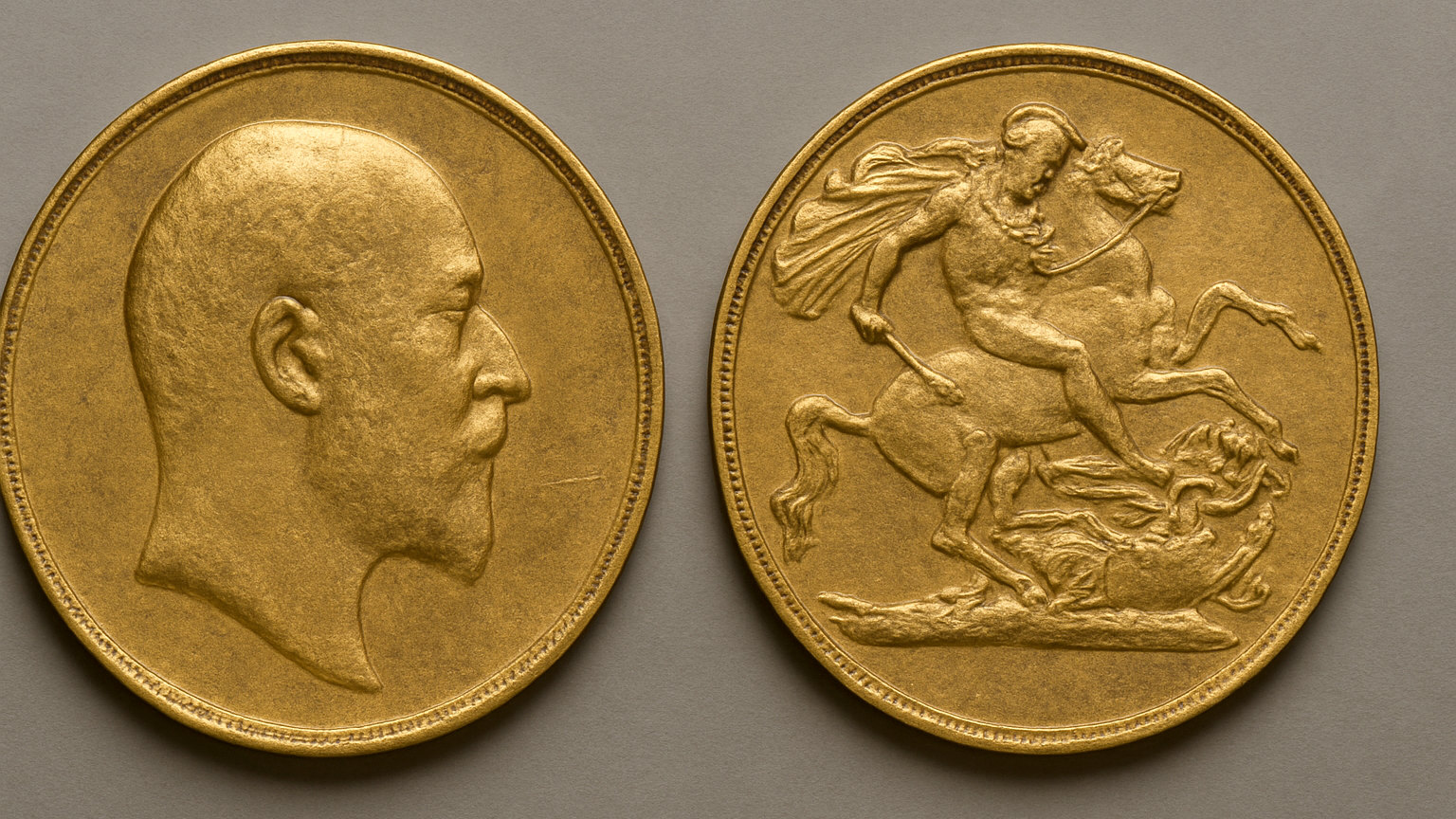
Small and easily missed, usually on the reverse near the design, or on the ground beneath the main device. Sovereigns were struck at several mints across different countries.
The mark is a single letter and its position varies by design type. Some mints produced far fewer coins than others in particular years, which creates the scarce combinations. Examine both faces under magnification and raking light before consulting any price, since the mark changes which figure applies.
How do you check a sovereign is genuine?
By weight and dimensions first, since counterfeits frequently fail on one or both. Accurate scales and a caliper settle most questions, because the specifications are precise and published.
Look at the sharpness of the design and the edge milling, which on genuine coins is even and well defined. Counterfeits often show soft detail and irregular milling. Where a coin is significant, have it checked by a dealer, since gold plated base metal fakes exist and specific gravity testing will identify them without damage.
What does mounting damage look like?
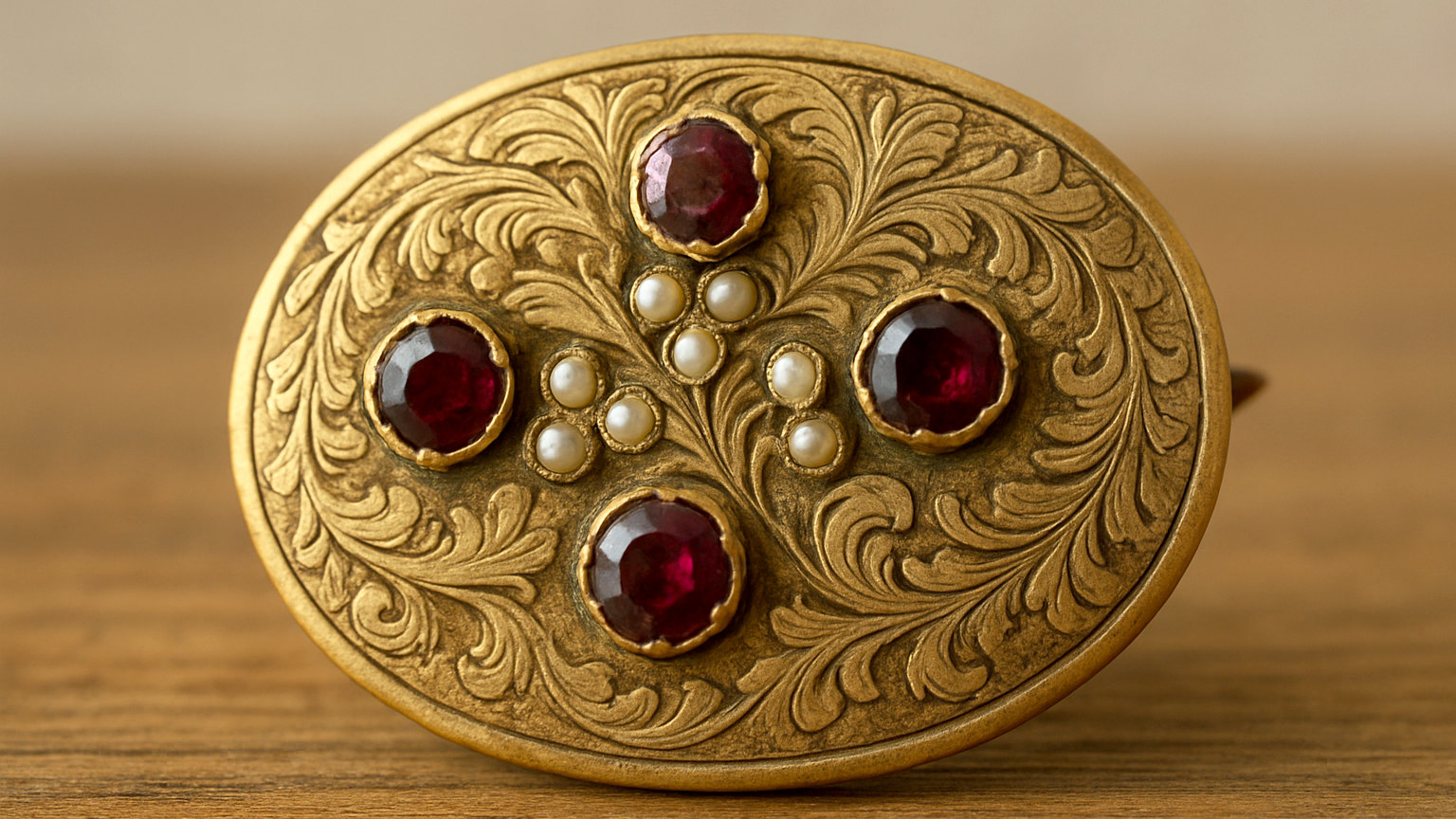
Sovereigns were widely worn as jewellery, and mounting is the commonest fault in the category. Look at the edge for a flattened section, filing marks, or an interruption in the milling.
Solder traces show as a slightly different colour, usually at the top and bottom of the coin as worn. Even where a mount has been removed skilfully, the coin is treated as damaged and valued essentially as bullion. Check the edge all the way round by rolling the coin slowly under a light.
Why should you never clean one?
Because cleaning destroys grade permanently, and grade is where the premium sits. Any abrasive leaves fine hairlines visible under magnification, and dealers spot them immediately.
Gold does not tarnish, so a dull sovereign is dirty rather than oxidised, and even that should be left alone. A cleaned coin is described as damaged regardless of how bright it looks, and on a scarce date the loss can be very large indeed compared to any gain in appearance.
How should sovereigns be stored?
In inert holders, individually, away from damp and away from each other. Gold is soft, so coins knocking together acquire edge knocks and surface marks that reduce grade.
Handle only by the edges over a soft surface, since fingerprints etch into the surface over time. Avoid soft flexible plastics containing plasticisers, which break down and leave residue. Keep a record of dates and mint marks, since an inherited group may contain one coin worth far more than the rest.
Where should you sell one?
Through a coin dealer or a specialist sale rather than a general saleroom, since a scarce date needs a buyer who will recognise it. Check the date and mint yourself before accepting any bullion based offer.