The most common question in this field has an unsatisfying answer: it depends on why you are asking. An antique has an insurance value, a probate value, an auction estimate, a dealer offer and a final selling price, and on one object those five numbers can differ by a factor of ten. Almost every disappointment in the trade comes from comparing one of them to another.
Why do the same object have several different values?
Insurance value is replacement cost, meaning what you would pay in a retail shop to buy an equivalent piece tomorrow. It is the highest of the numbers because it includes a dealers overheads, margin and the cost of finding the item.
Probate value is open market value, which is what the object would fetch in an ordinary sale, and it is much lower. A dealer offer is lower again, because the dealer must sell it on at a profit and may hold it for a year. None of these figures is wrong. They answer different questions.
What counts as reliable price evidence?
Only completed sales. An asking price tells you what someone hoped for, and items can sit unsold at optimistic prices indefinitely without that price ever being tested. A realised auction result is evidence, because two people competed and one of them paid.
Auction result archives are the strongest source available to the public, since they record hammer prices across many salerooms over many years. Completed listings on marketplace sites are the second best source for smaller items. Printed price guides date quickly and should be treated as a rough guide to relative values rather than current figures.
How do you adjust a comparable to your own item?
Finding one similar sale is the start, not the answer. Condition moves the price more than almost anything else, and a chip, a crack, a replacement part or a refinished surface can halve a figure or worse.
Size matters in furniture, where pieces that fit modern rooms outperform very large ones. Completeness matters in sets and services. Originality matters everywhere. Compare at least five sales rather than one, discard the highest and lowest, and look at the middle of the range.
Which factors raise a price most?
Condition, rarity that meets genuine demand, and provenance. Rarity on its own is worth nothing, and plenty of genuinely scarce objects are scarce because nobody ever wanted them. The value appears where scarcity and collector interest overlap.
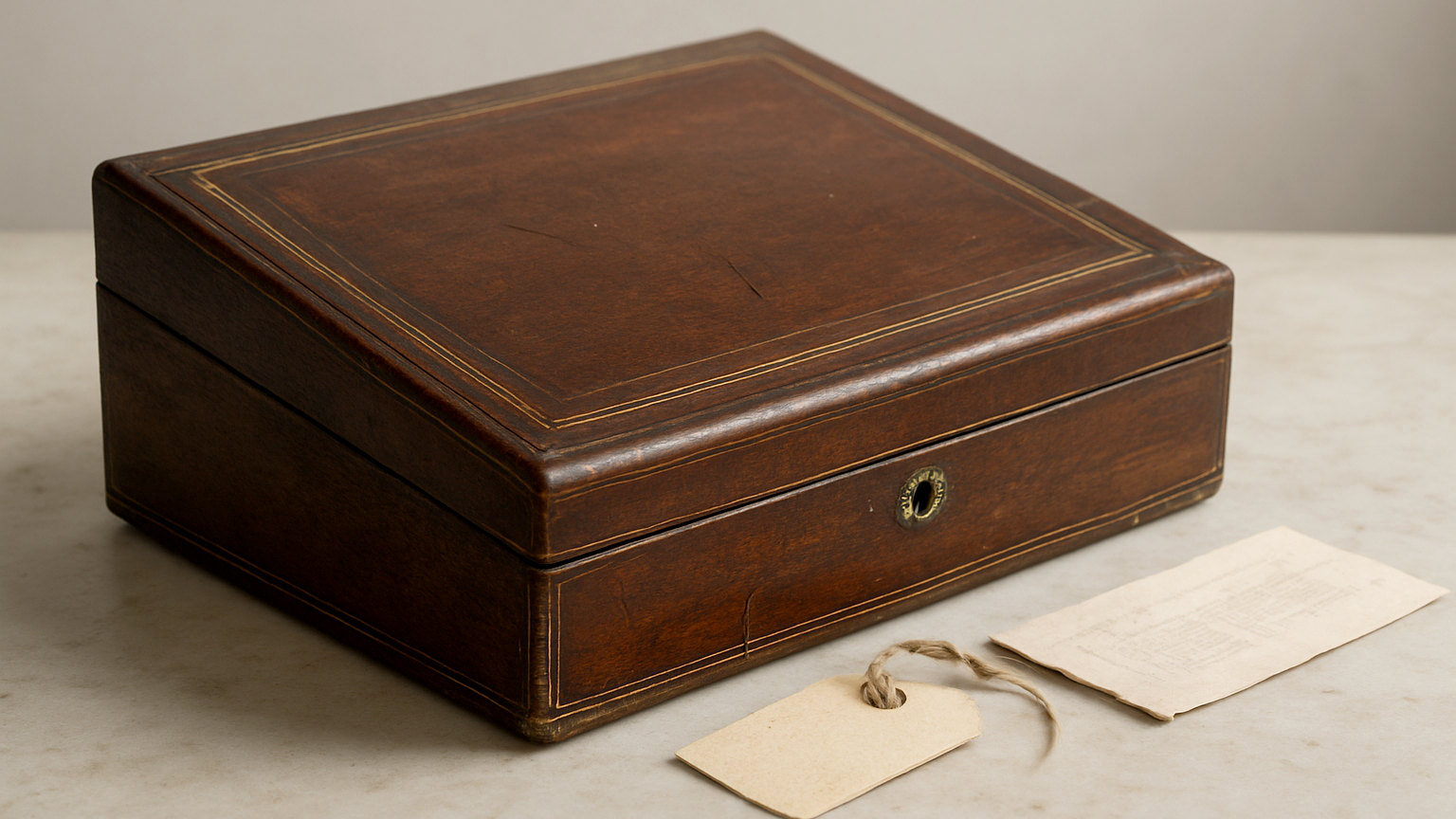
Provenance means documented history of ownership. A receipt, a letter, an exhibition label or an old inventory entry can add a great deal, because it removes doubt about authenticity. Original boxes, fitted cases and paperwork frequently add more than people expect.
When does a price guide mislead you?
When it is out of date, and when it describes a different market. Taste changes, and several categories that commanded strong money a generation ago now sell for a fraction of it, while others have risen sharply. A guide printed years ago records the market as it was then.
Regional differences matter too. The same piece can make noticeably different money in different salerooms depending on who buys there, so a result from a specialist sale full of collectors is not directly comparable to a general house clearance sale.
Who should you ask when the research runs out?
When the figures matter financially, get an opinion from someone who can handle the object. Free valuation days at auction houses give you a verbal estimate at no cost, and many salerooms accept photographs by email for an initial view.
Be aware that a free valuation from a party who would like to buy the item is not an independent one. For insurance, probate or division of an estate, instruct a qualified independent valuer who charges a fee and has no interest in acquiring the piece. It costs money and it removes the conflict entirely.
How long should the research take?
Longer than most people spend, and less than they fear. An hour spent finding five genuine comparable results will tell you more than a week of browsing asking prices, because you are measuring the market rather than the hopes of individual sellers.
Start by identifying the object properly. A valuation of the wrong item is worth nothing at all, and getting the maker, the date and the material right will always be the step that changes the number most.