Patina is the accumulated surface history of a piece: colour built up by light and oxidation over decades, wear where hands touched, and layers of polish. It cannot be recreated, and stripping it away is one of the most expensive things anyone does to antique furniture. Recognising a refinished surface is therefore worth learning before you pay.
What does original surface look like?
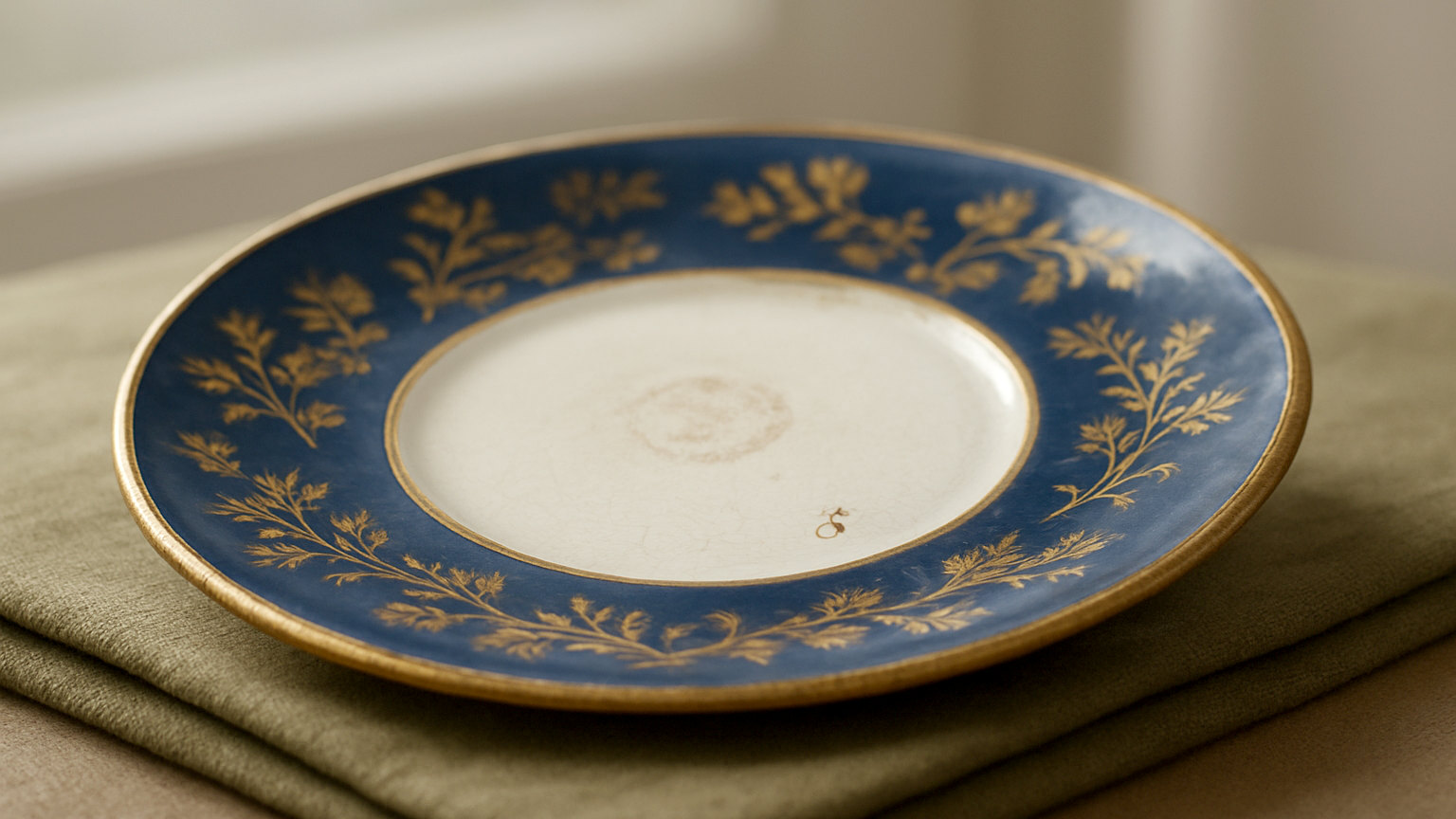
Varied. Genuine patina is uneven, deeper in protected areas and lighter where handling and cleaning wore it back, with a depth that seems to sit within the timber rather than on it.
Look at how the colour changes across a single surface. A drawer front should be darker at the edges and around the handles where polish accumulated, and lighter where hands rubbed. That variation developed slowly and is close to impossible to fake convincingly.
What gives a refinished piece away?
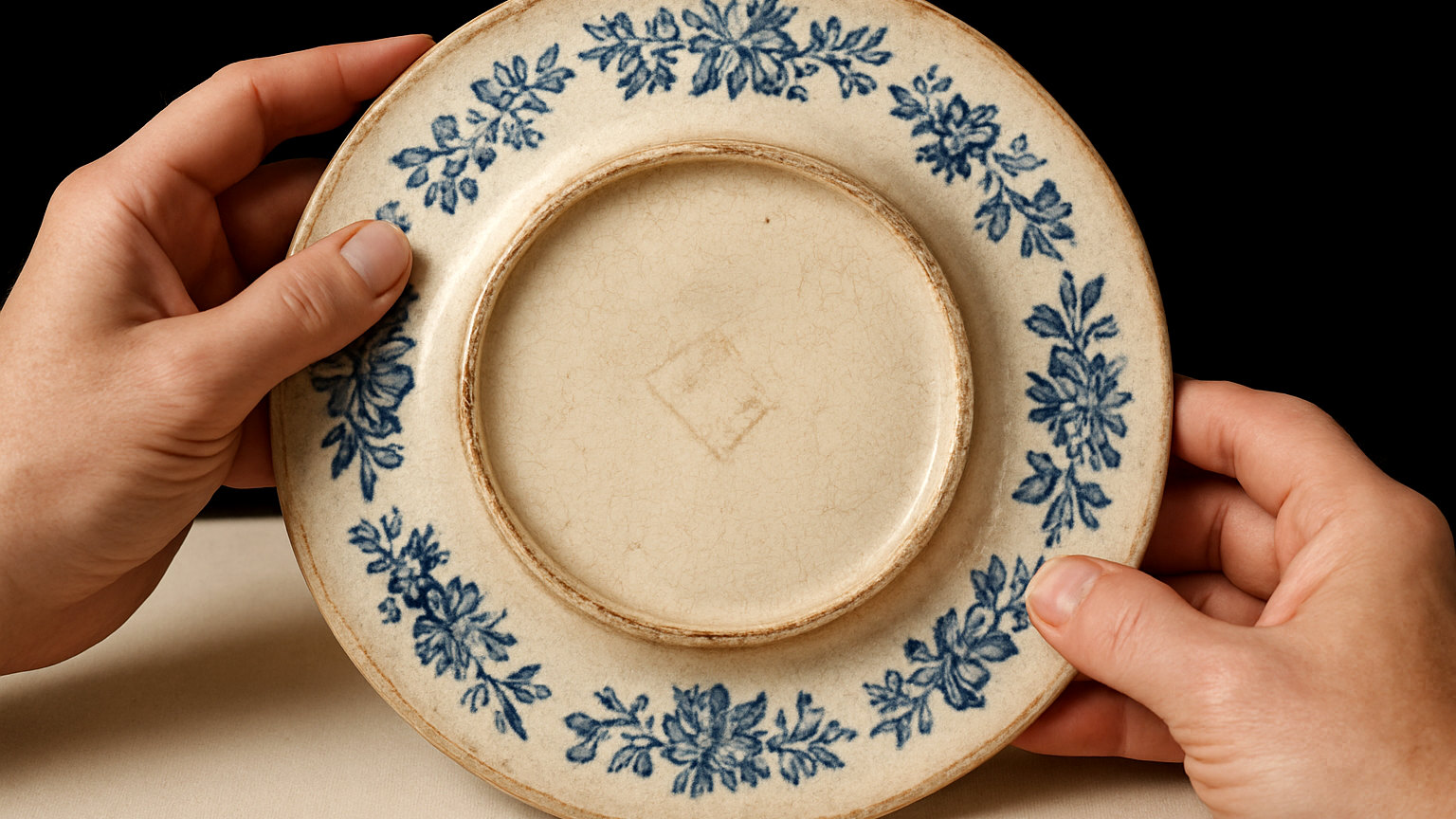
Uniformity. A stripped and repolished surface has an even tone across the whole piece, because the colour was applied at one moment rather than built up over generations.
The colour also tends to sit on the surface rather than within it, giving a slightly flat or plastic appearance. Modern finishes frequently look glossier and harder than old wax, and they lack the soft depth of a surface that has been polished a thousand times.
Where should you compare?
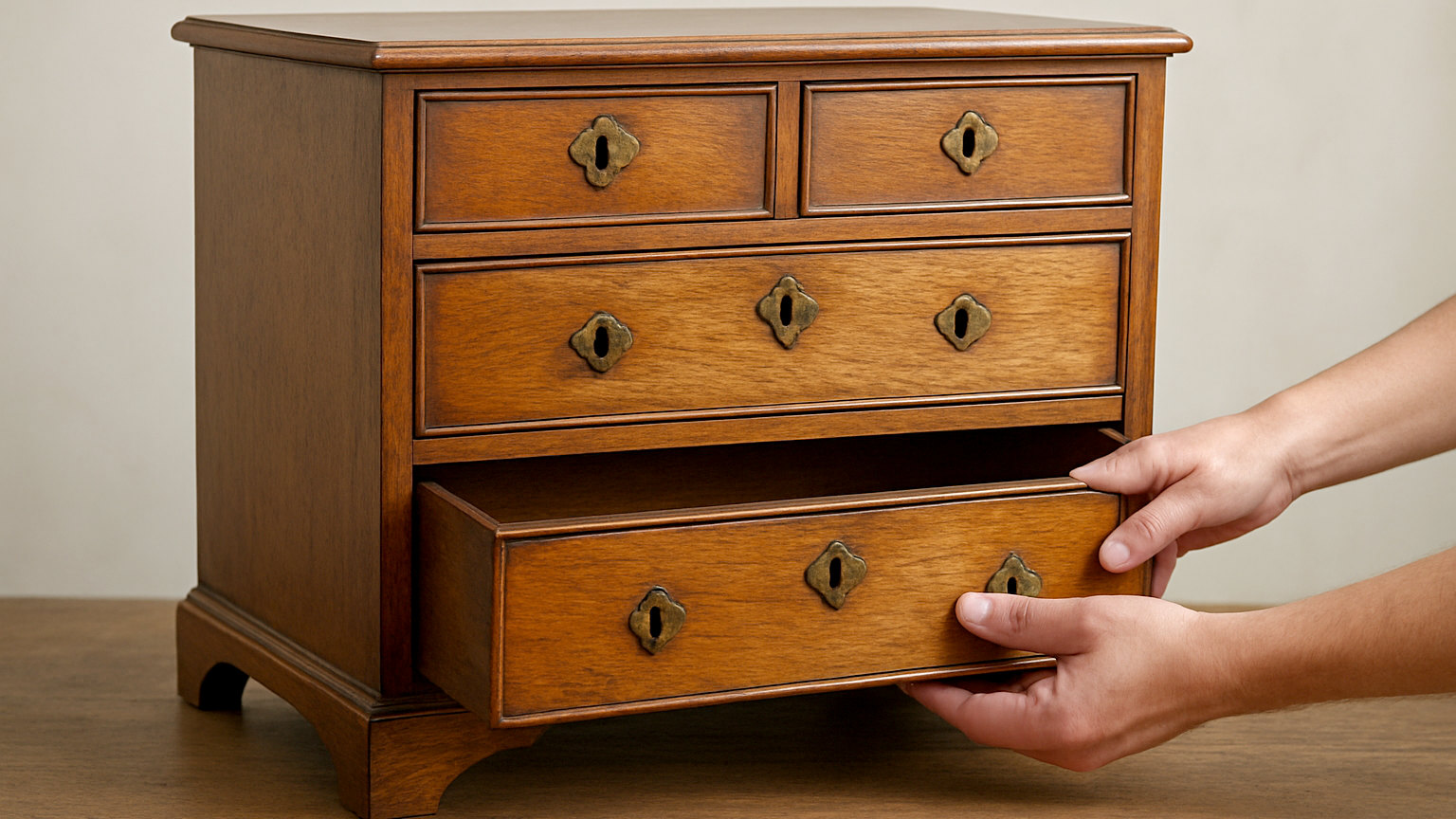
Between exposed and hidden surfaces. Pull out a drawer and compare the polished front with the unpolished sides, then look inside the carcass and at the back.
On an untouched piece there is a marked difference in tone between the outside and the interior, developed gradually, with the exterior back darker than the interior. If everything is the same colour throughout, including inside, the piece has probably been stripped, since dipping tanks colour everything equally.
What are the signs of chemical stripping?
Raised grain, because caustic stripper attacks the softer parts of the timber and leaves the harder grain standing proud. Run a hand over a large flat surface and feel whether it is glassy smooth or slightly ridged.
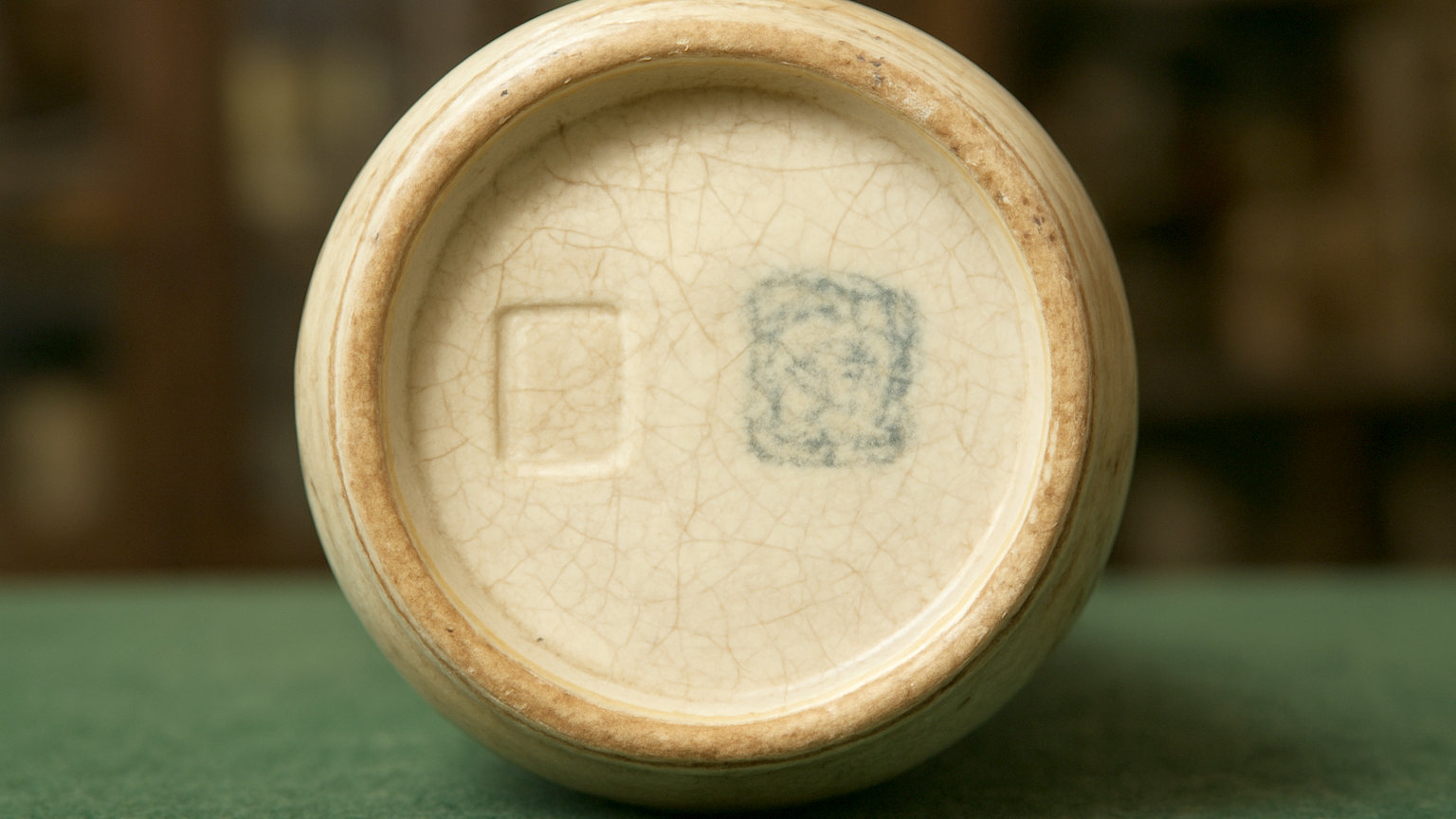
Look at joints and corners for residue, a white or grey bloom left in recesses where stripper was not fully rinsed. Stripping also dissolves old animal glue, so a piece that has been dipped frequently has loose joints and detached blocks, and the interior may smell faintly chemical.
What about carving and mouldings?
Check the recesses. On an original surface the deepest parts of carving hold accumulated dark polish and dirt, giving contrast that makes the design read.
A refinished piece frequently has recesses as light as the high points, because stripping cleaned them out, which makes carving look flat and lifeless. Equally, a surface where dark colour has been applied evenly into every recess including places a cloth could never reach suggests staining rather than accumulation.
Does refinishing always reduce value?
On period furniture, yes, and substantially. Collectors pay for originality, and a stripped piece has lost something that took two centuries to develop and cannot be restored by any amount of subsequent waxing.
The reduction is smaller on ordinary furniture bought for use, where appearance matters more than originality, and on pieces that were already damaged beyond sympathetic repair. It is largest on anything early or of quality, where the surface was a substantial part of what made it desirable.
What should you do with a tired original surface?
As little as possible. Clean gently with a barely damp cloth, dry the surface immediately, and then apply a good quality wax sparingly and buff it well. That alone will revive most tired surfaces considerably without removing anything at all, and the improvement usually surprises people who were contemplating something far more drastic.
Resist the urge to strip, sand or repolish. If a surface is genuinely beyond that, consult a restorer who works sympathetically rather than a firm offering to dip and repolish, and ask specifically what they propose to remove before agreeing to anything. Doing nothing is always reversible, and almost nothing else in furniture restoration is.