Stolen antiques are recovered more often than people assume, and almost every successful recovery depends on the same thing: a description good enough to identify the object beyond argument, circulated quickly to the people who might handle it. The work that matters most is done before anything happens.
What should you do in the first hours?
Report it to the police immediately and obtain a crime reference number, which you will need for everything that follows. Give them your photographs and descriptions at the point of reporting rather than promising them later.
Notify your insurer straight away as well, since policies impose time limits on notification. Do not tidy or disturb the scene before the police have attended, and do not touch anything the thief may have handled.
Which databases should be told?
The specialist registers that circulate details of stolen art and antiques. These are checked as a matter of routine by dealers, auction houses and salerooms before they handle anything of consequence, which is precisely how stolen items get intercepted.
Registering costs little or nothing and takes minutes. Do it the same day, because the window in which an item is most likely to surface is the weeks immediately afterwards, when it is being moved on quickly.
Who else is worth telling?
Local dealers, auction houses within a reasonable radius, and any specialist trade association covering that category. Dealers generally cooperate willingly, since handling stolen goods is a serious problem for them and nobody wants it.
Trade publications and collector societies for the specific field are worth contacting for anything unusual, because a scarce object is recognisable to the small group of people who follow it. A specialist collector spotting a piece is a common route to recovery.
What makes an item recoverable?
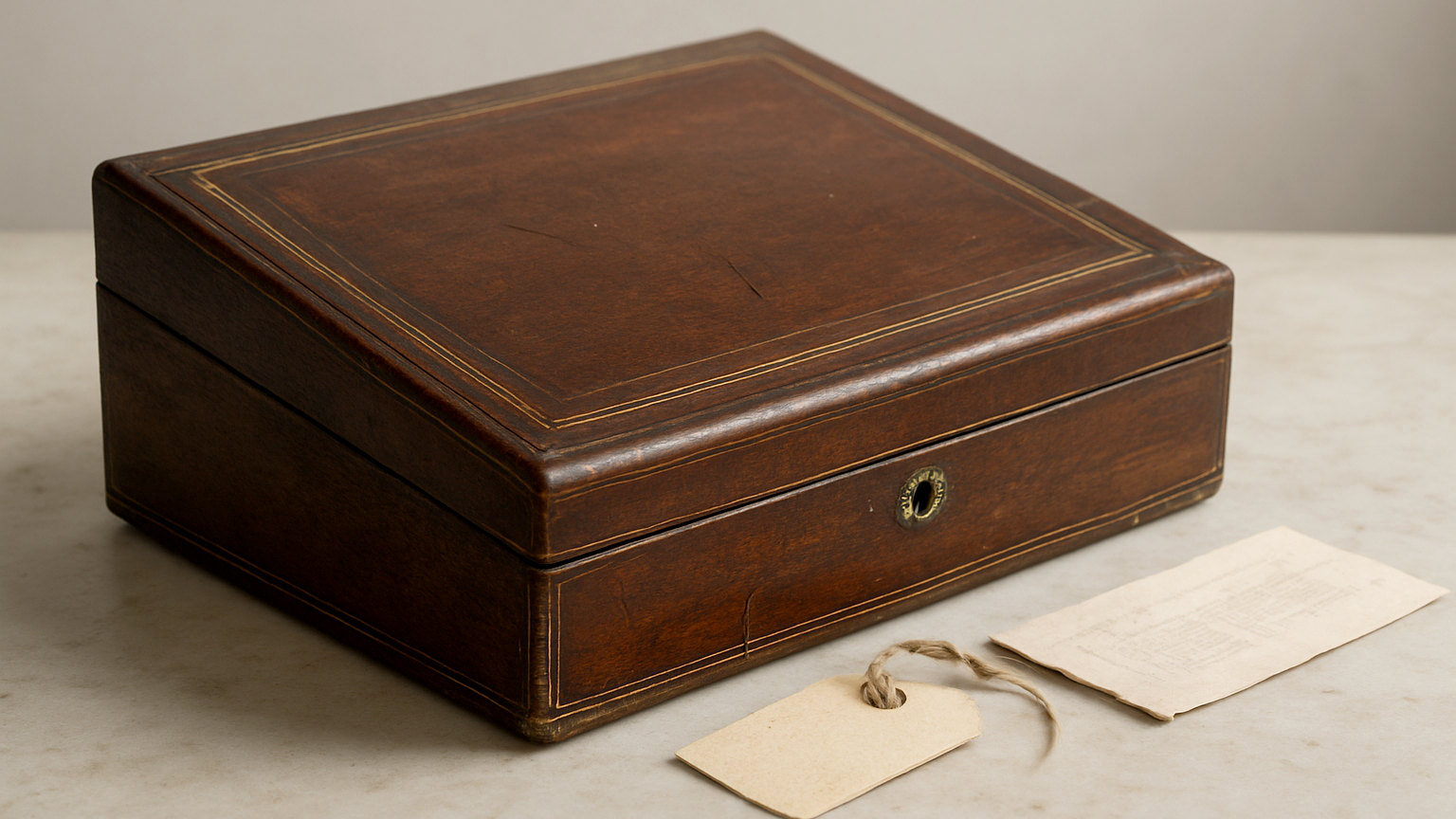
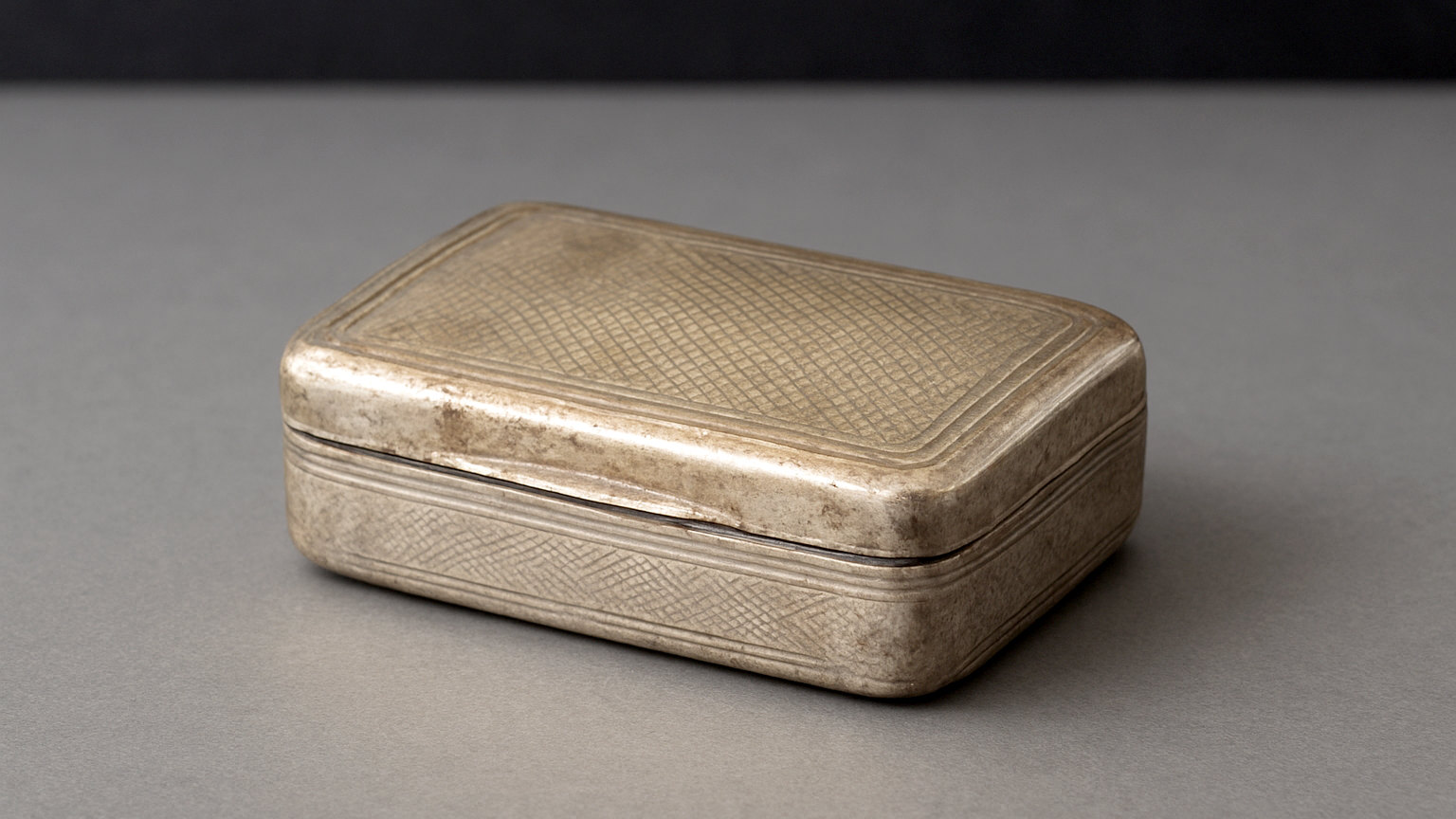
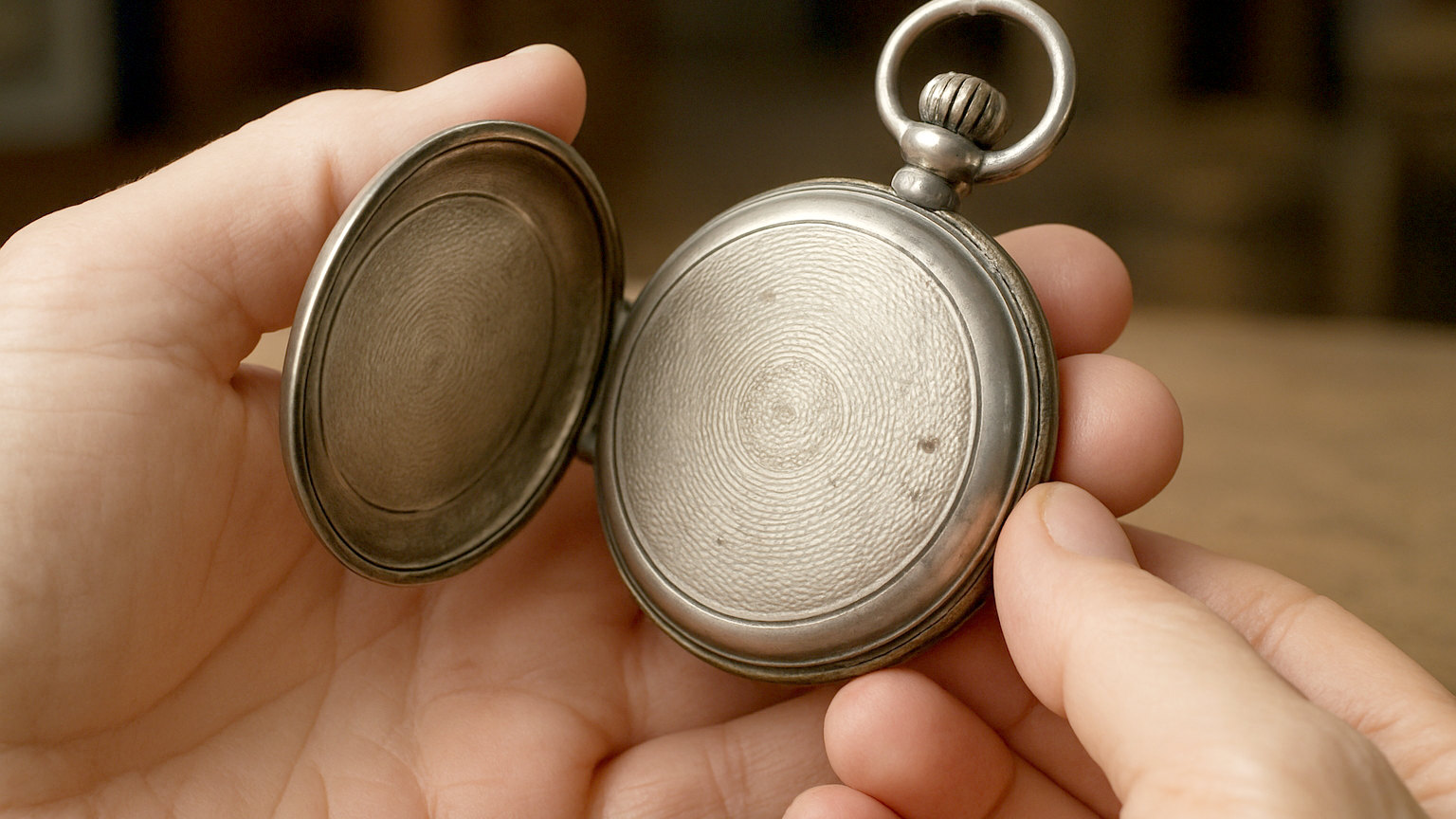
A description that distinguishes it from every similar object. Measurements, materials, marks read exactly as they appear, and above all any damage, repair or peculiarity unique to that piece.
Photographs are essential and should show the whole object from several angles plus close ups of marks and distinguishing features. A general photograph of a room is not enough. This is why photographing a collection properly is worth an afternoon, and why the record should be kept somewhere other than the building it describes.
What if you find your own item for sale?
Do not approach the seller or attempt to buy it back. Contact the police with the crime reference number and let them handle it, since a confrontation can lose the evidence and put you at risk.
Record what you have found: screenshots, listing numbers, dates and any seller details visible. If it is in a saleroom, contact the auction house directly as well as the police, since they will normally withdraw a lot pending investigation.
How does the insurance claim work?
You will need the crime reference number, your valuation documents, photographs and any receipts. A claim without evidence of what was there and what it was worth is extremely difficult to settle.
Be aware of the single article limit in the policy, which caps what will be paid for any one item unless it was specifically declared. This is where most shortfalls occur. Check also whether an averaging clause applies, since under insurance can reduce even a partial claim proportionally.
What happens if an item turns up years later?
Ownership becomes complicated, particularly where an innocent purchaser has bought it in good faith, and where an insurer has already paid a claim the insurer may have acquired title.
Keep your records indefinitely rather than discarding them once a claim has settled, because items do reappear long afterwards and the original documentation is the only thing that establishes the connection between the object surfacing and the one you lost. Notify the databases if you recover something, so that the entry can be closed and the piece is not flagged again when it is next sold.