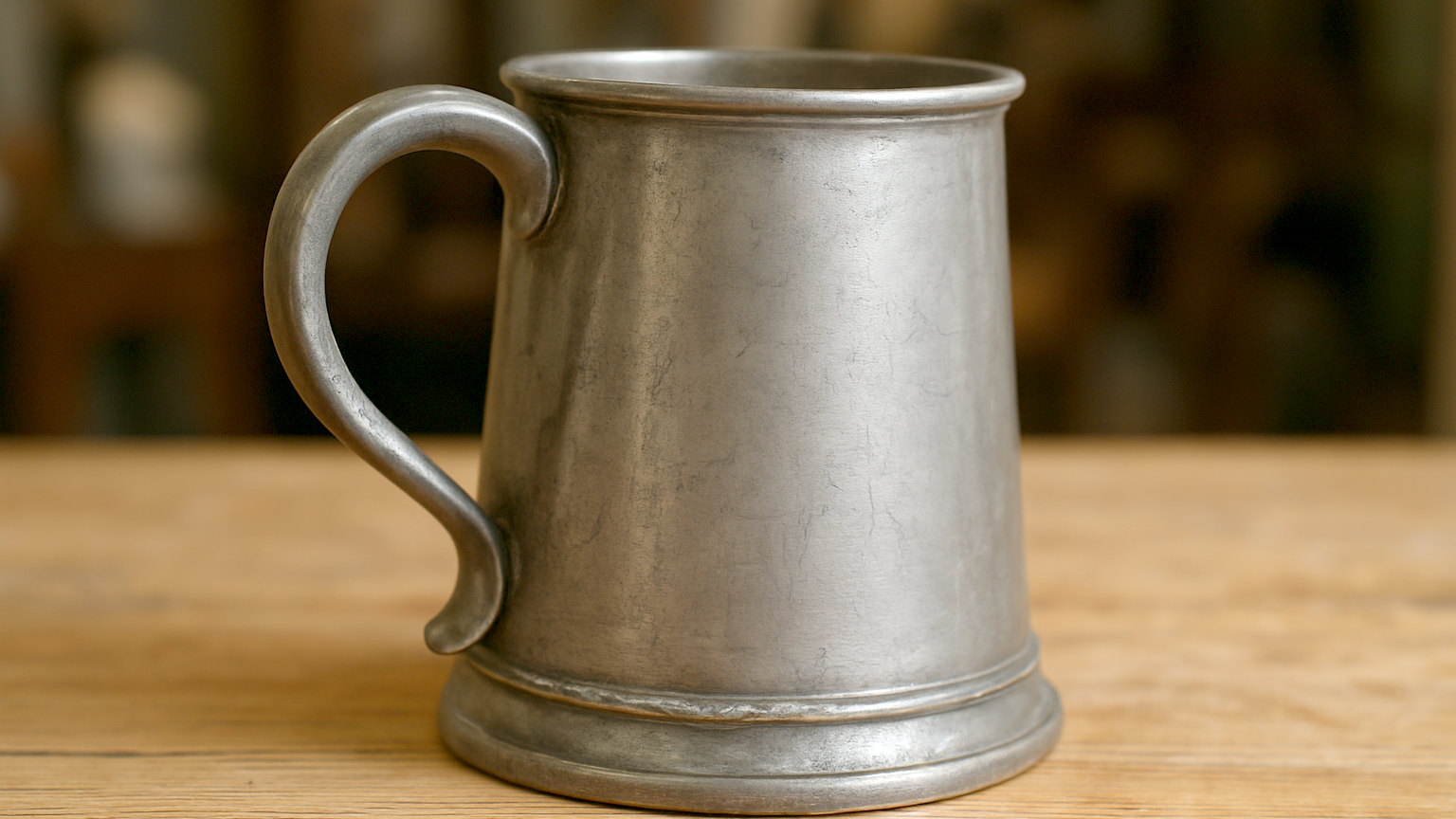
Pewter tankards, plates and measures turn up constantly and look entirely usable, which is exactly the problem. Older pewter alloys frequently contain lead, sometimes in substantial proportions, and acidic drinks and foods will draw it out. This is one of the few areas in antiques where the sensible advice is genuinely cautious.
What is pewter made from?
Predominantly tin, alloyed with other metals to give hardness and workability. What those other metals are is the whole question, because the recipe varied enormously by period, region and intended quality.
Better grades used copper and antimony as hardeners and contained little or no lead. Cheaper grades used lead precisely because it was inexpensive and made the alloy easier to cast, and some utilitarian wares contain a great deal of it.
How can you tell whether a piece contains lead?
Not reliably by eye, which is the difficulty. Some indicators suggest higher lead content: a duller, greyer appearance, greater weight for the size, and a surface that marks easily with a fingernail, since lead softens the alloy.
Quality marks claiming a fine grade of metal suggest lower lead content, though these were trade claims rather than certified standards and cannot be relied upon. The only dependable answer comes from testing. Assume any unmarked or early piece contains lead until you have evidence otherwise.
What does testing involve?
Swab kits sold for testing lead in household items give a quick indication and are inexpensive, though they detect surface lead and can produce misleading results on a patinated surface.
A conservator or a testing laboratory can analyse the alloy properly using non destructive equipment that identifies the metals present and their proportions. For a piece you genuinely intend to use, that is the sensible route. It costs little against the alternative of guessing.
Why do acidic drinks matter so much?
Because acid dissolves lead from the alloy surface into whatever is sitting in the vessel. Wine, cider, fruit juice, vinegar and anything similar are all acidic enough to do this, and time increases the effect.
Heat accelerates it further, so hot acidic liquids are the worst combination. This is why the historic association between pewter drinking vessels and lead exposure is well documented. A tankard used occasionally for water is a very different proposition from one used regularly for cider.
What is a sensible position to take?
Display rather than use, unless the piece has been tested and shown to be low in lead. That costs you nothing, since most collectors value pewter as objects rather than as tableware.
If you want pewter you can actually drink from, buy modern pewter, which is made to a lead free standard specifically for that purpose. Keep the antiques on a shelf. Be particularly careful with anything used by children or by anyone pregnant, since lead exposure matters most for them.
Does the same apply to other antique metalware?
To some of it. Lead solder was used widely on copper and brass vessels, and old copper cooking pans were tinned inside precisely because copper itself reacts with acidic food. Where that tinning has worn through, the pan should not be cooked in.
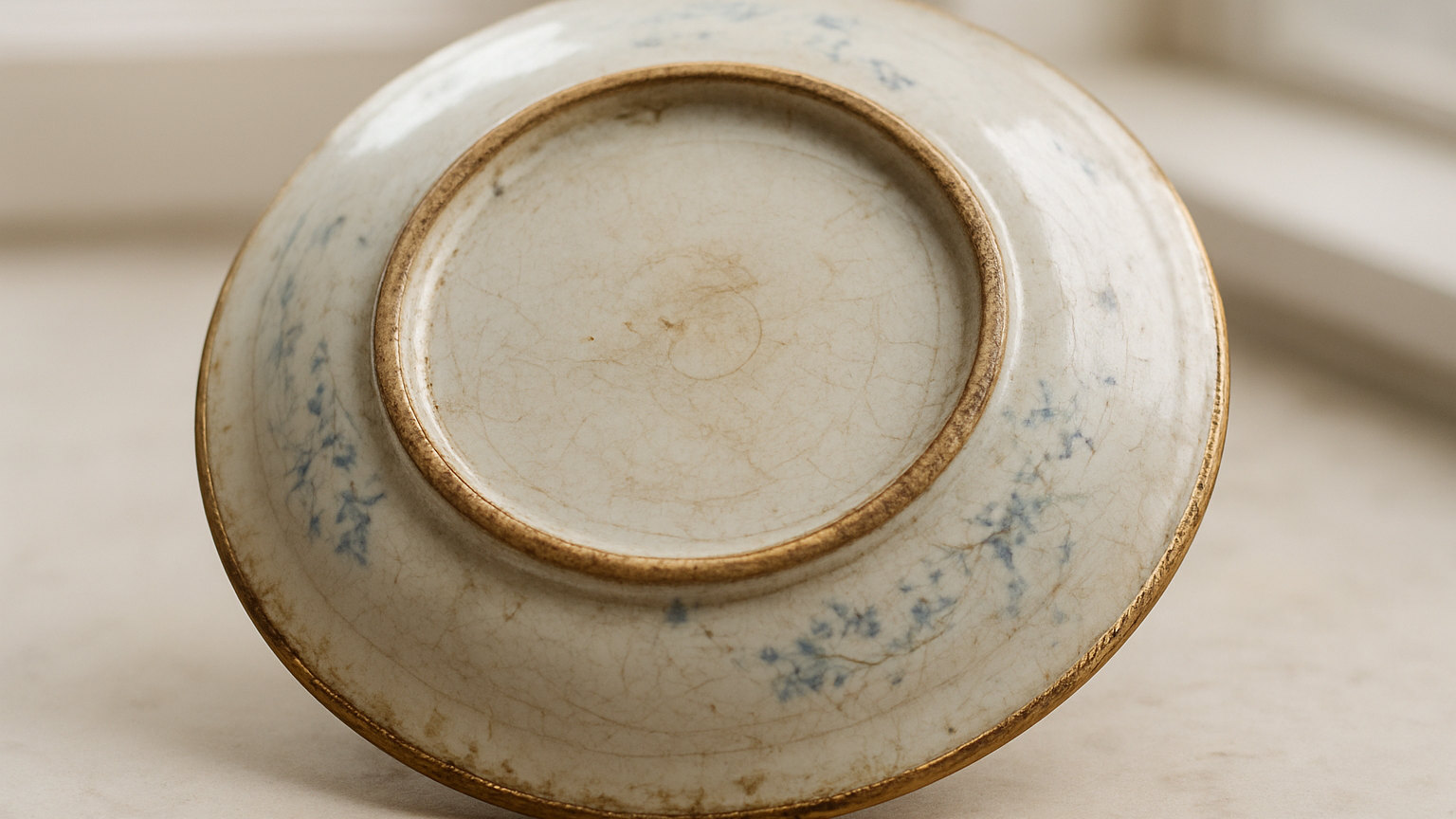
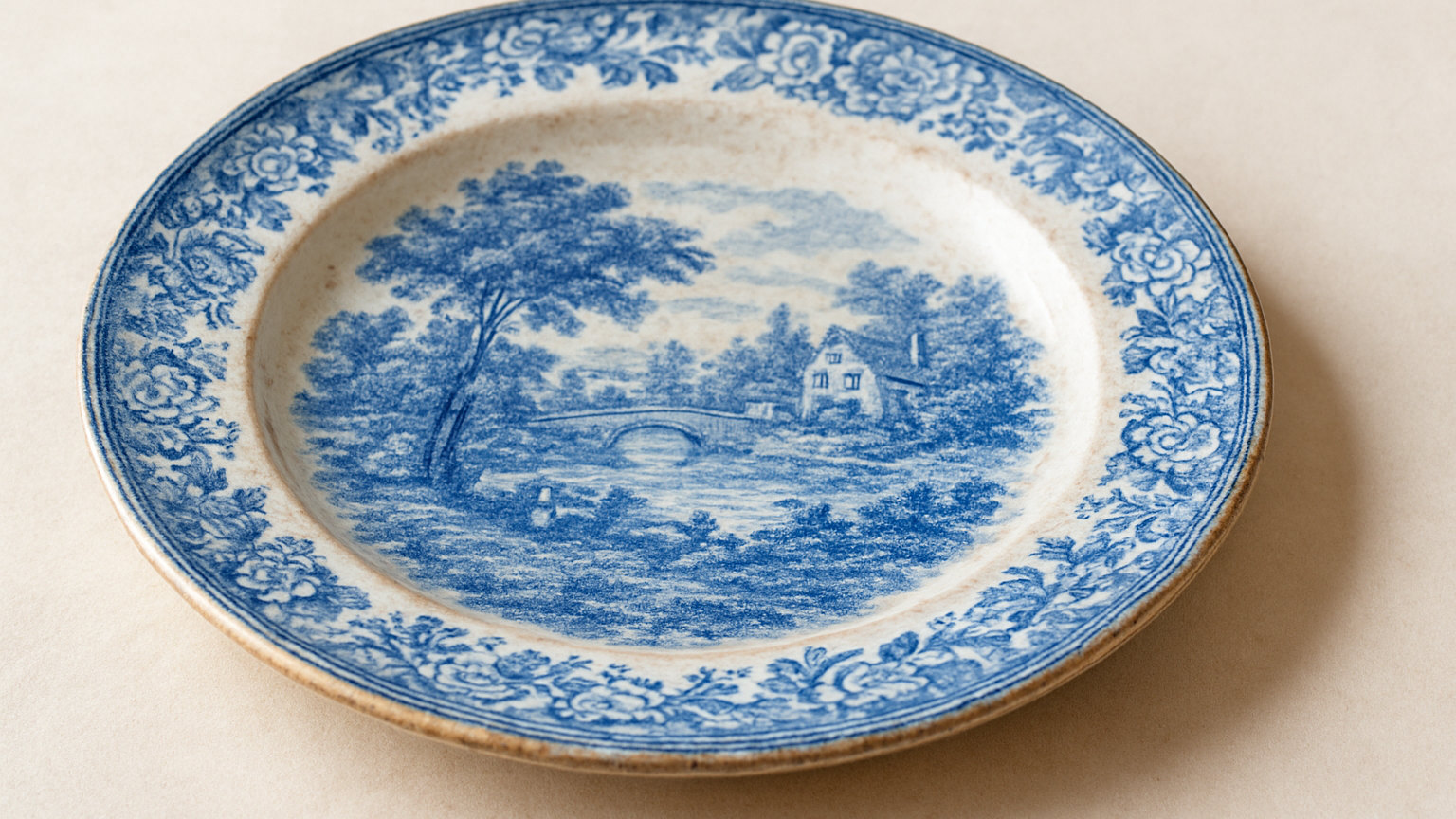
Glazed ceramics carry a related risk, since some early glazes contain lead that can leach, particularly where the glaze is crazed or damaged. The same principle applies throughout: display anything you cannot verify, and keep acidic and hot contents out of it.
How should pewter be handled and cleaned?
Wash your hands after handling, which is a small precaution that costs nothing. Wash pieces in warm soapy water, dry thoroughly, and leave the patina alone.
Never polish pewter to a bright finish, since the soft grey oxide surface is what collectors expect and value, and brightly polished pewter sells for noticeably less than an untouched example. Never attempt to remove the hard grey encrustation found on some old pewter either, because it has formed into the metal rather than onto it, and taking it off pits the surface beneath permanently.