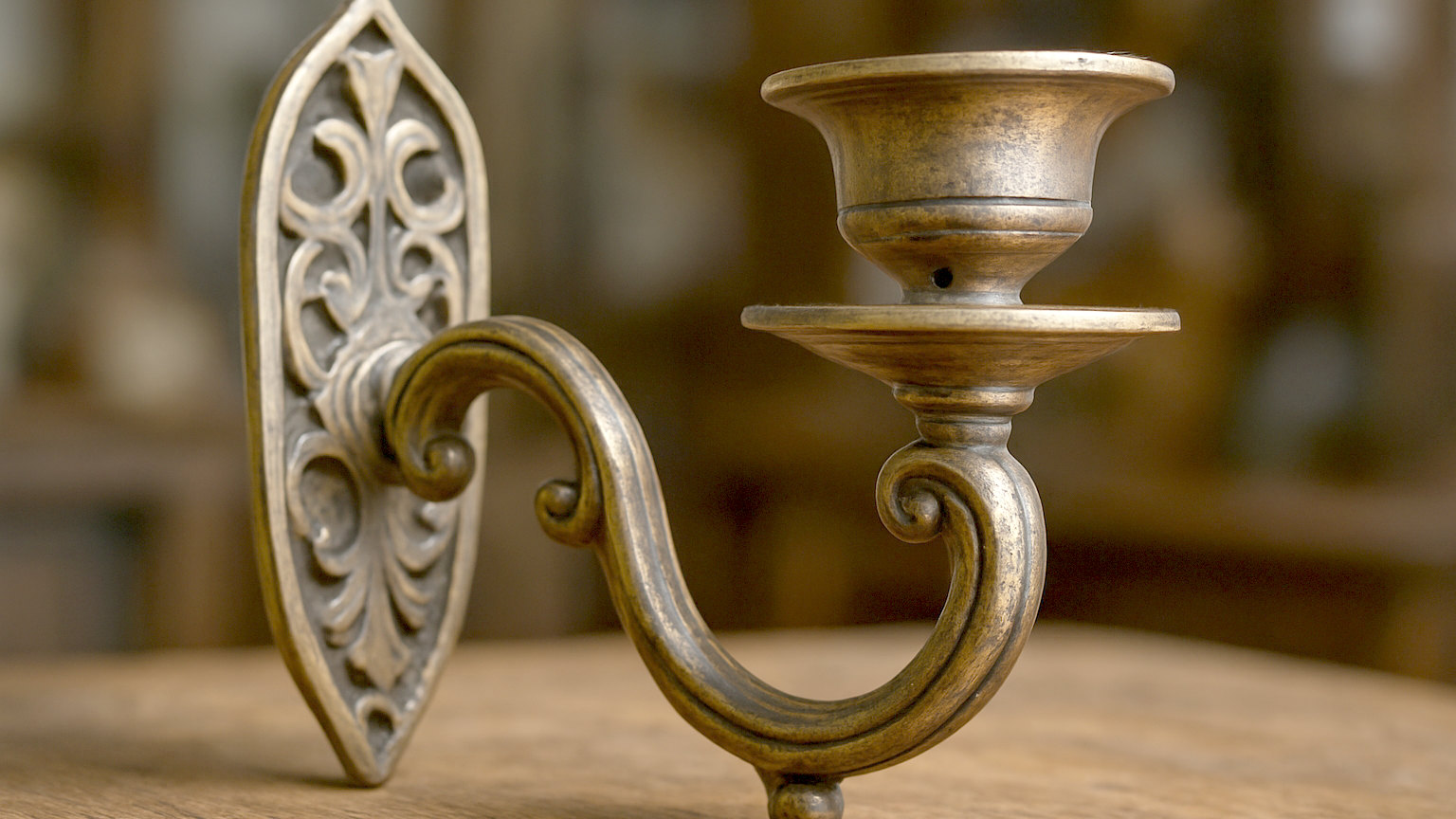
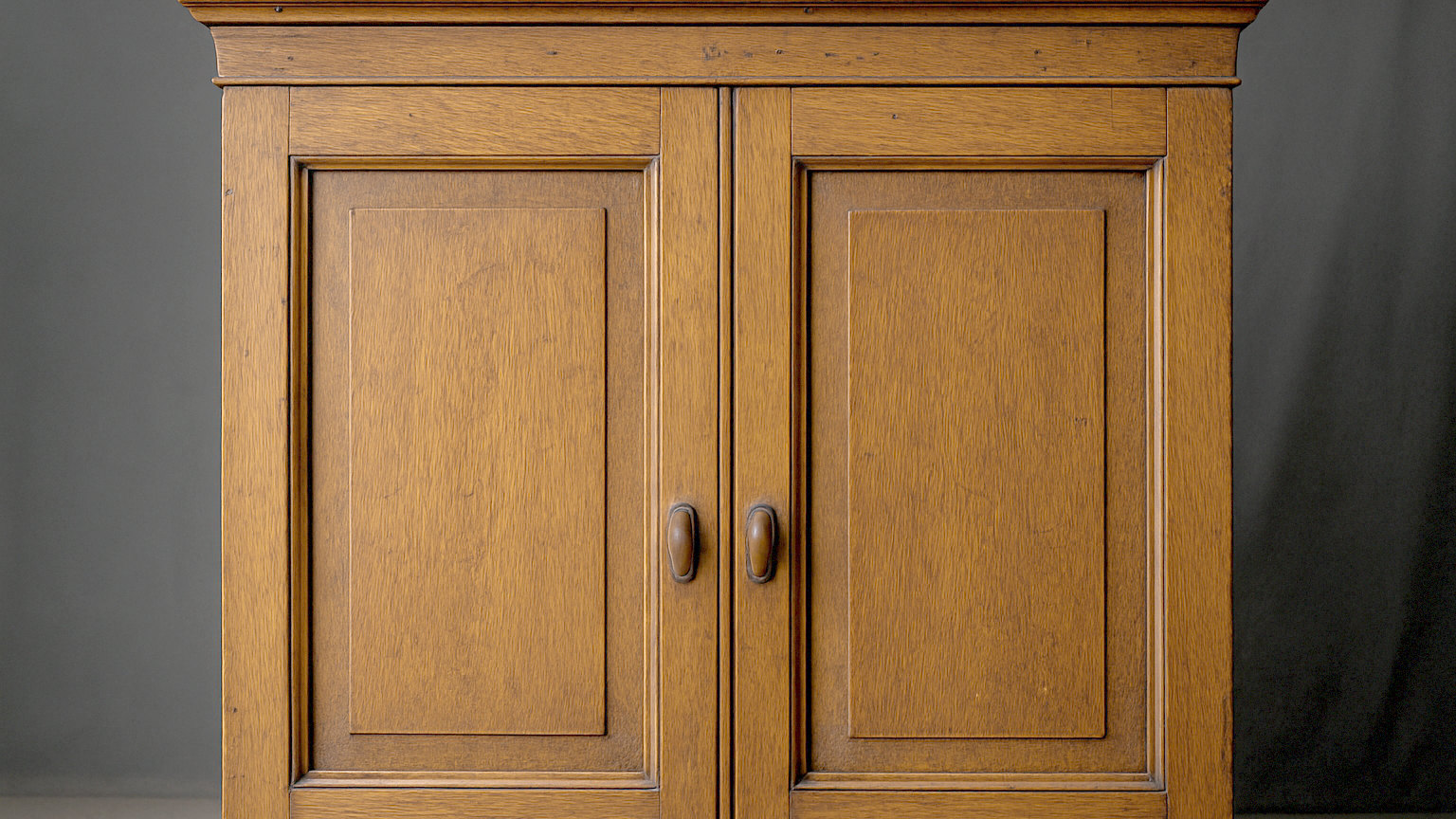
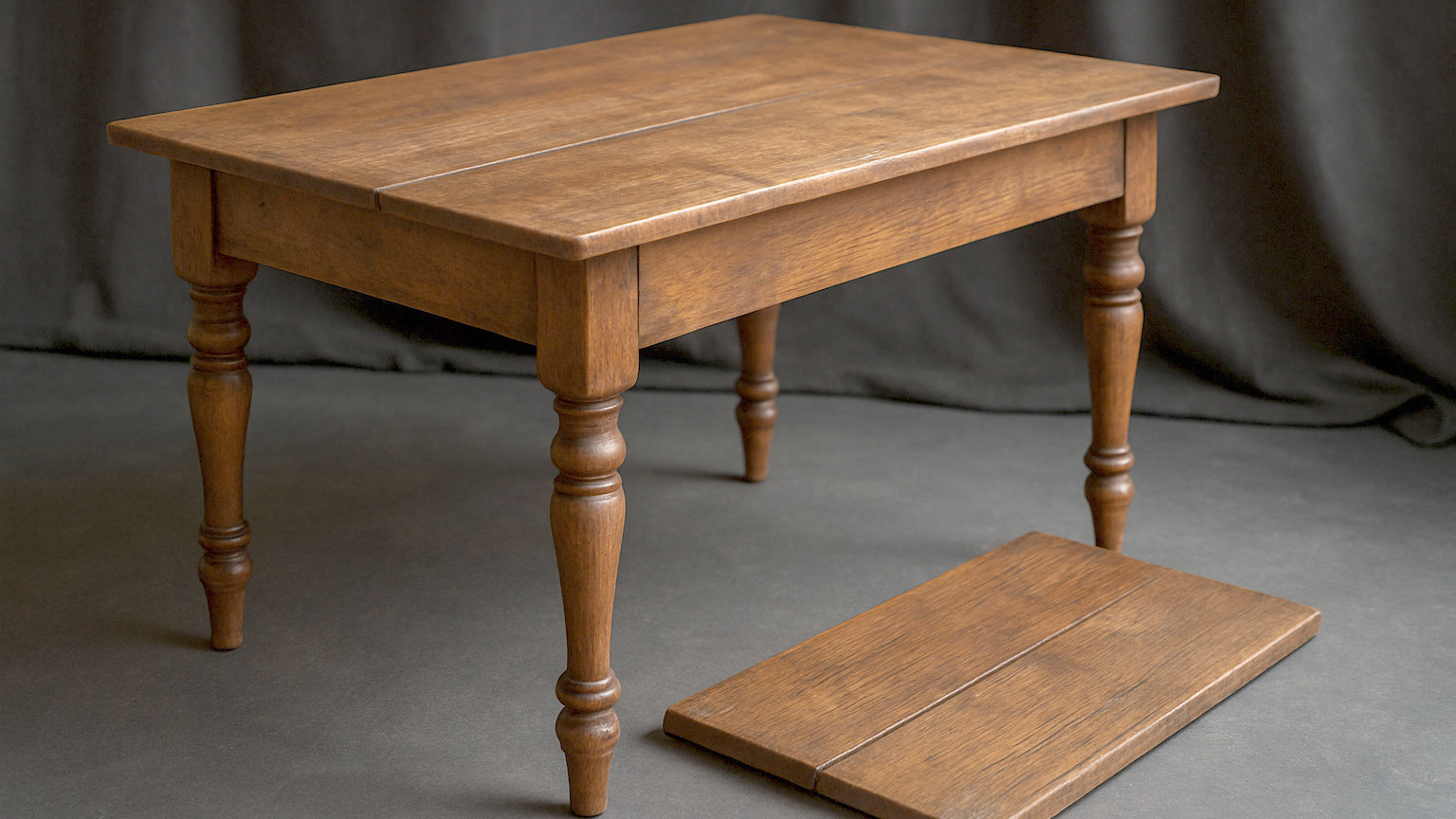
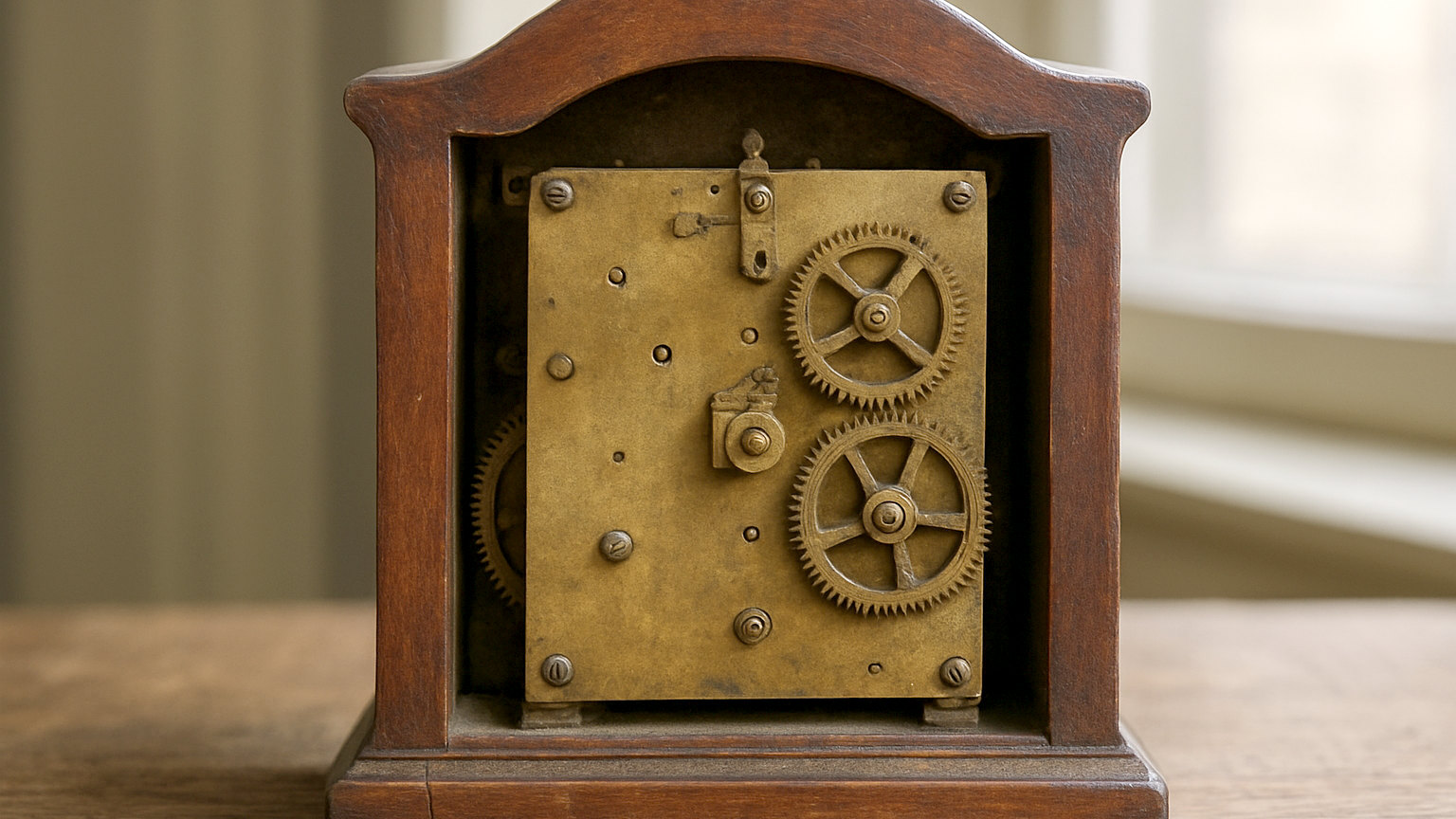
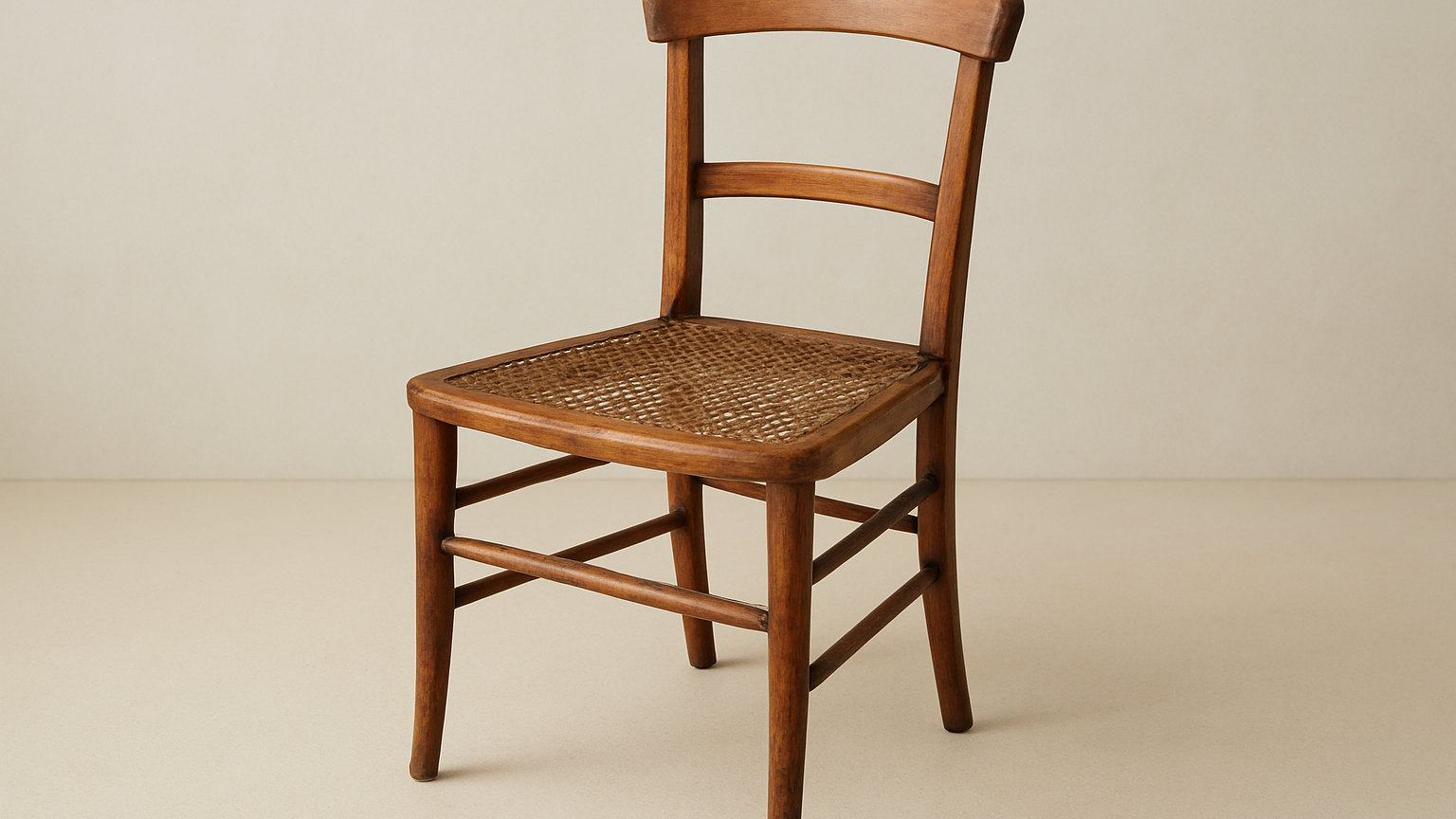
Furniture is the category where the object tells you most about itself. Hand-cut dovetails, saw marks, shrinkage across the grain, oxidation where light never reached and the wear on a drawer runner all carry dates, and none of them can be convincingly faked in quantity. These guides cover the main furniture forms alongside the clocks, lighting, mirrors and textiles that furnished the same rooms, with an honest account of what condition and restoration do to the price - which in brown furniture is frequently more than the maker does.
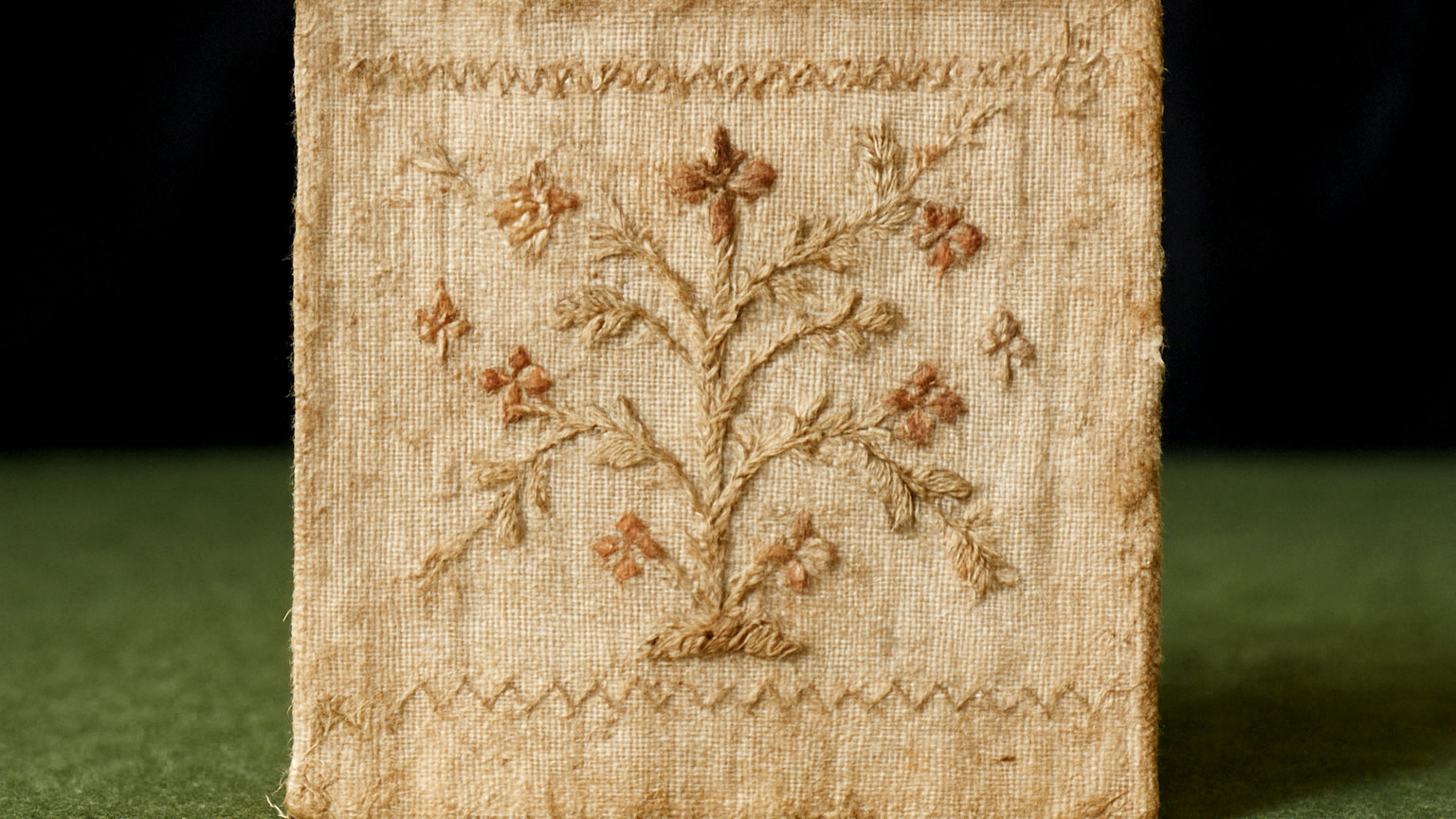
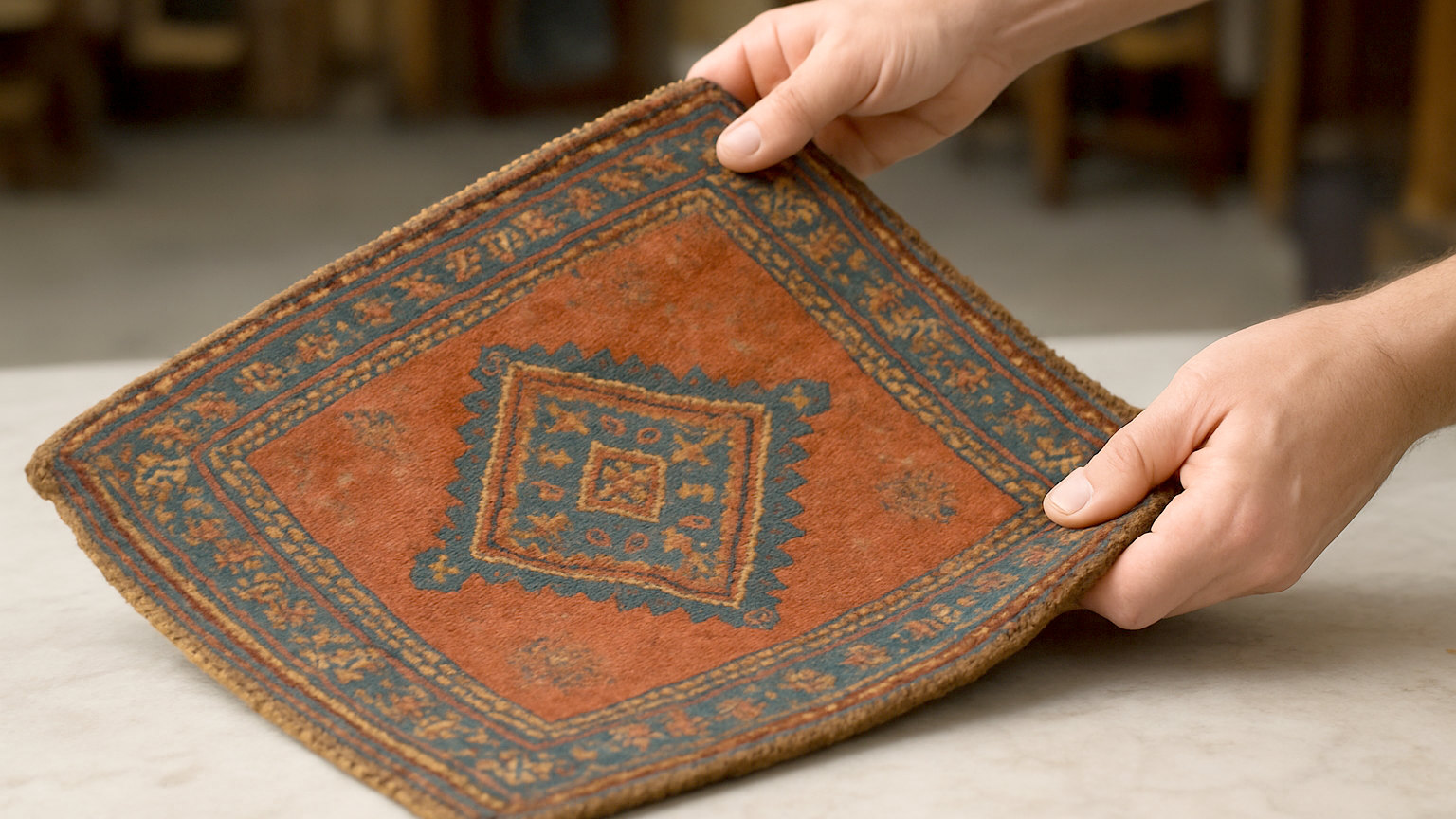
Most samplers carry a name, an age and a date stitched into the work, which makes them among the very few antique textiles that date themselves precisely.
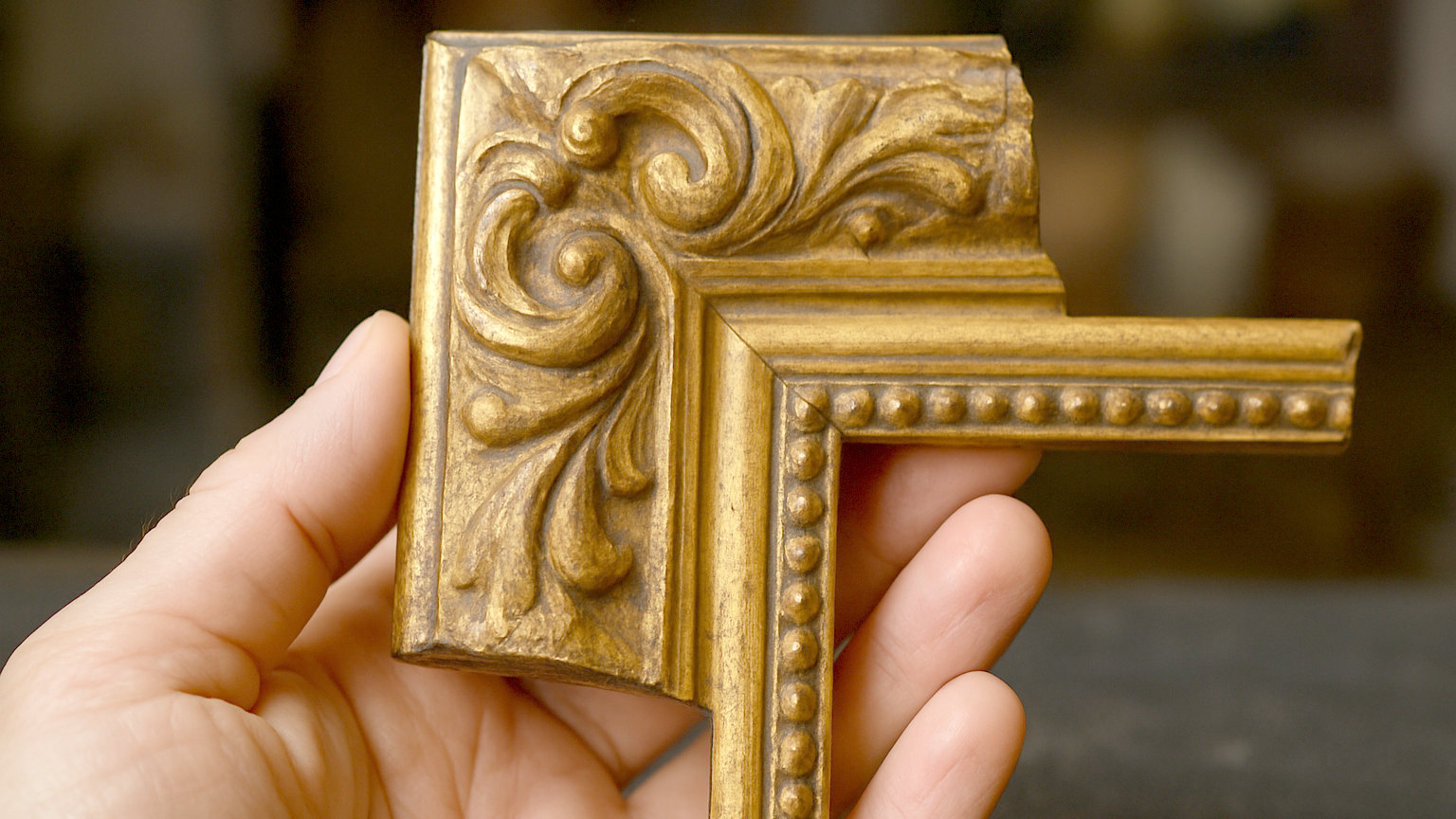
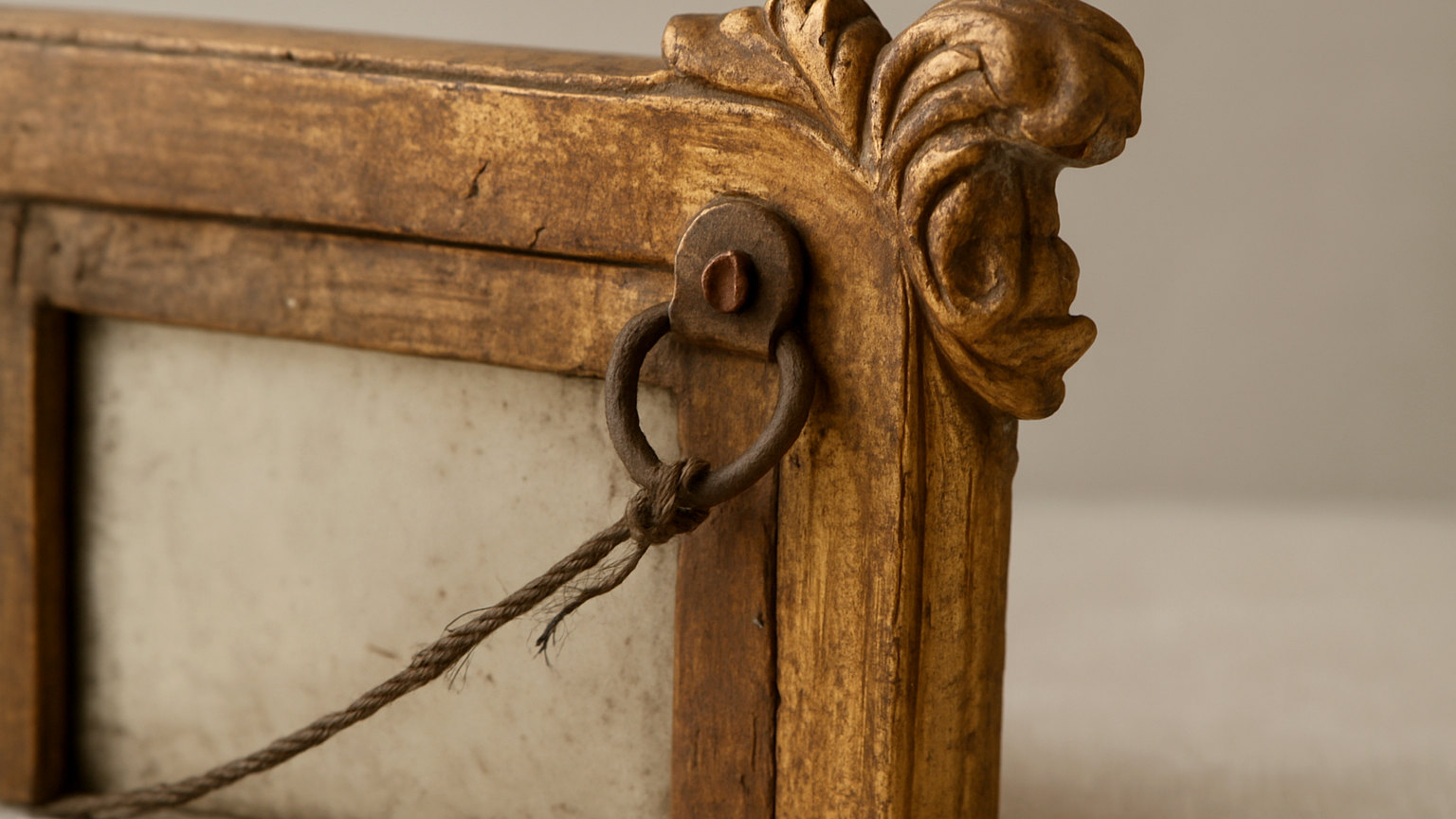
Worn original gilding with red bole showing through is far more desirable than a uniform regilded surface. Telling the two apart takes a good light and a minute.
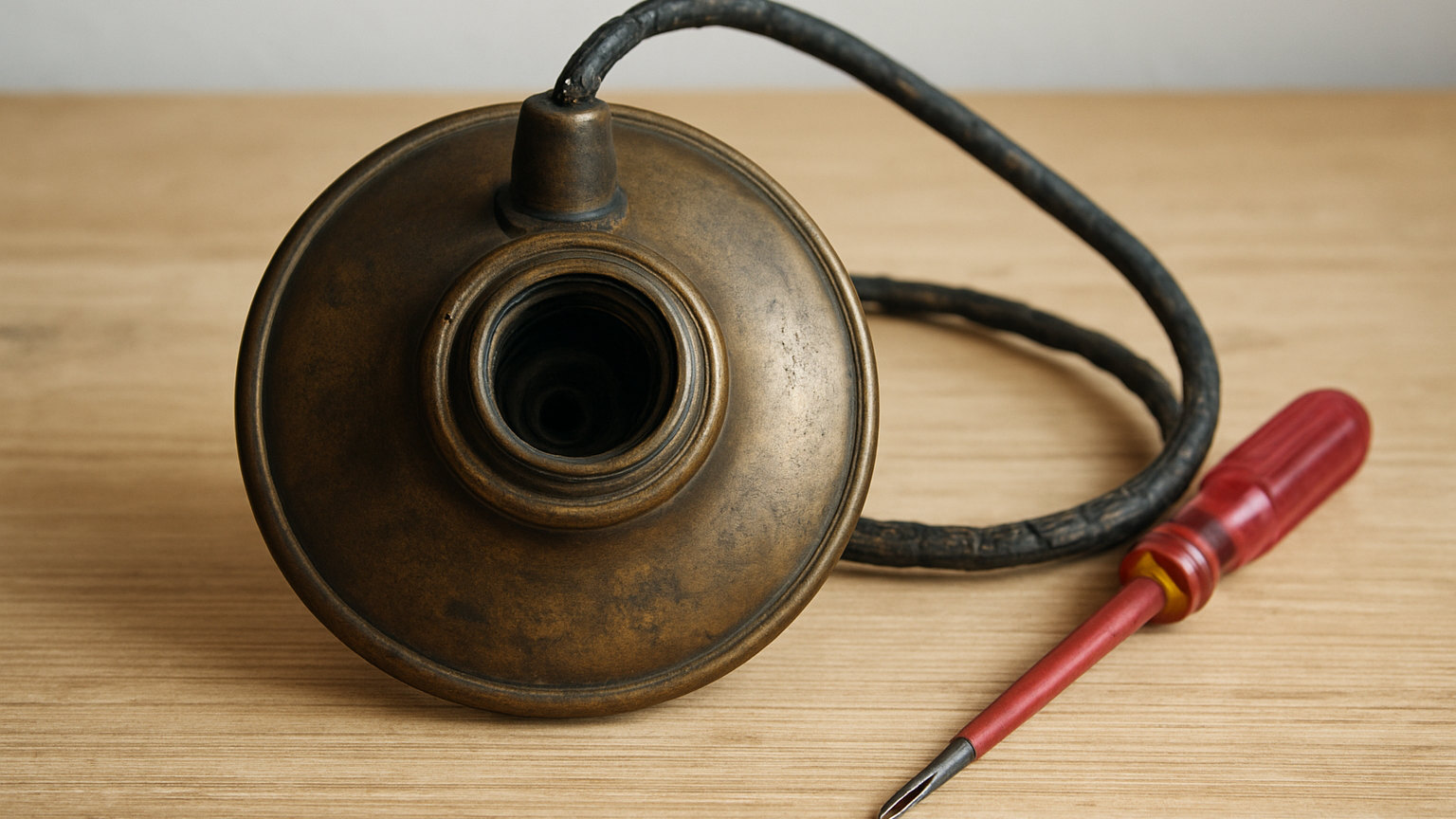
Every original flex on an antique fitting should be treated as unsafe regardless of how sound it looks. Old rubber insulation perishes invisibly.
By Antique Guides Editorial11 Jul 2026
Newsletter
One guide a week, and what things actually sold for
New identification and valuation guides, notable auction results, and the occasional reminder that the thing in your loft may be worth rather more than you think.