How to Choose and Use a Clock Winding Key
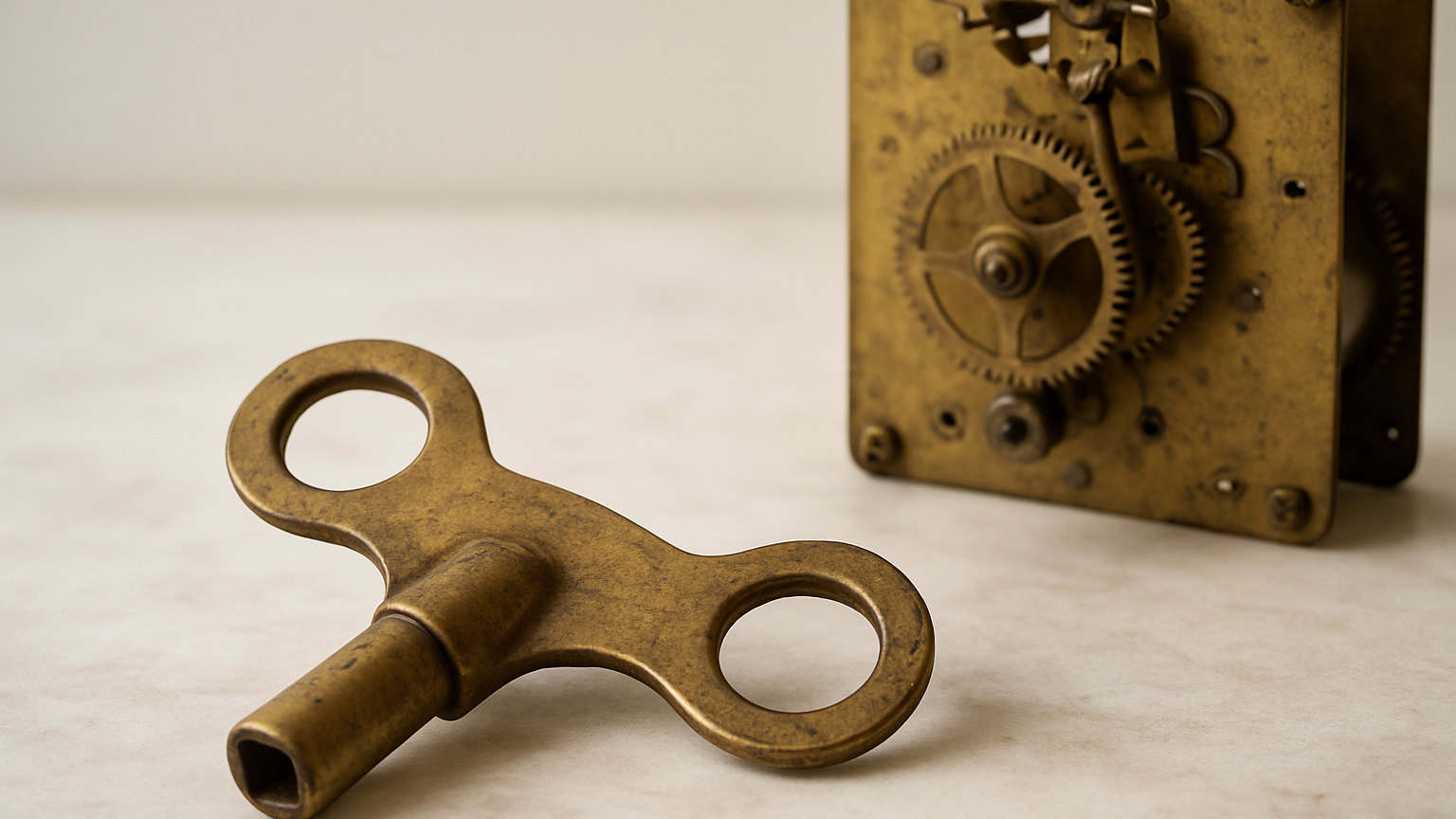
A key that is even slightly too large will round off the winding square, and that damage is permanent and expensive to correct.
By Antique Guides Editorial
8 May 2026

Furniture is the category where the object tells you most about itself. Hand-cut dovetails, saw marks, shrinkage across the grain, oxidation where light never reached and the wear on a drawer runner all carry dates, and none of them can be convincingly faked in quantity. These guides cover the main furniture forms alongside the clocks, lighting, mirrors and textiles that furnished the same rooms, with an honest account of what condition and restoration do to the price - which in brown furniture is frequently more than the maker does.
A key that is even slightly too large will round off the winding square, and that damage is permanent and expensive to correct.
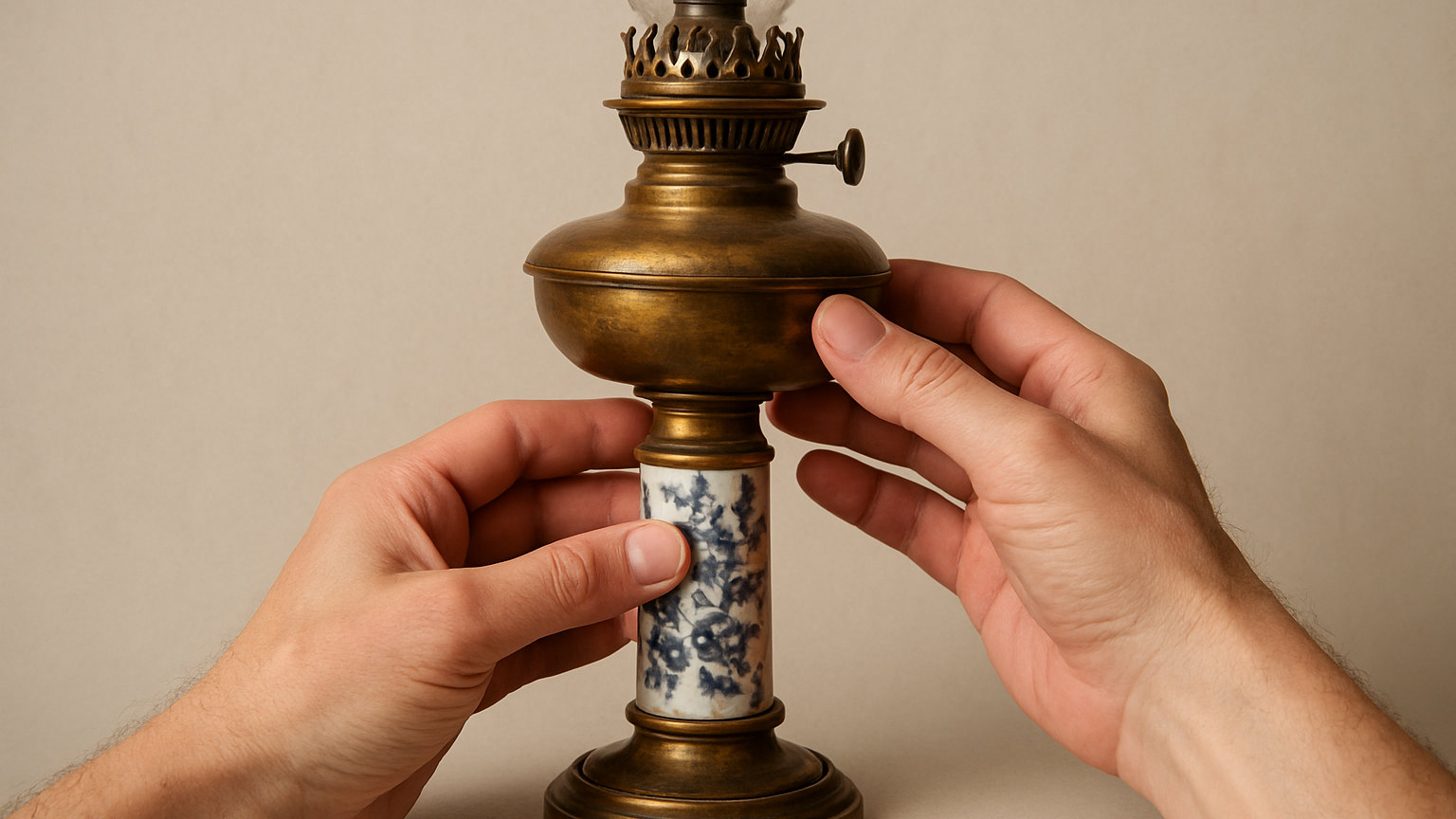
Lighting spans oil, gas and early electric, and a great many pieces were converted from one to the next. Conversion is normal and only affects value when done badly.
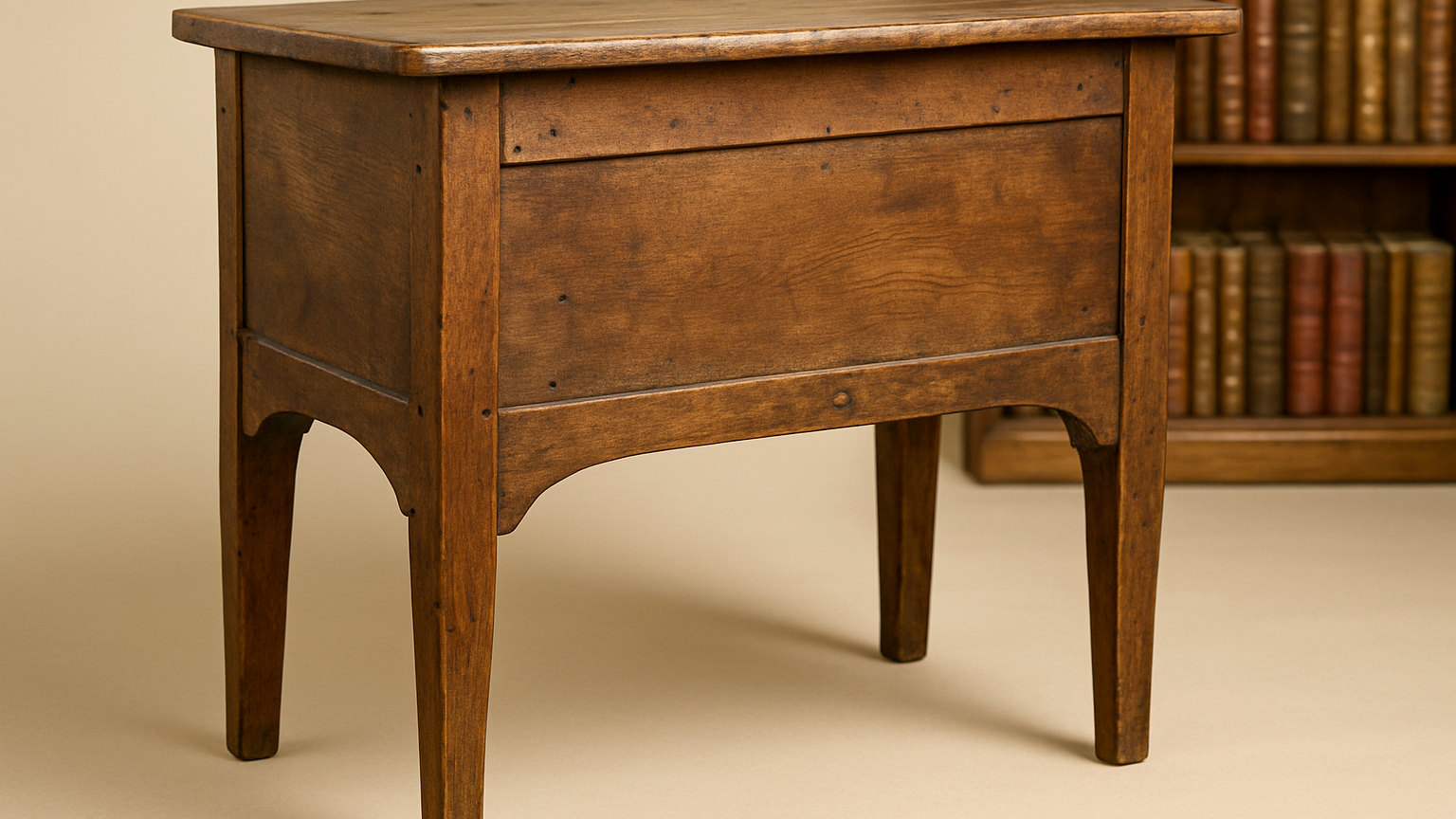
Console tables were made to stand against a wall, which means the back was never finished and the evidence is all there.
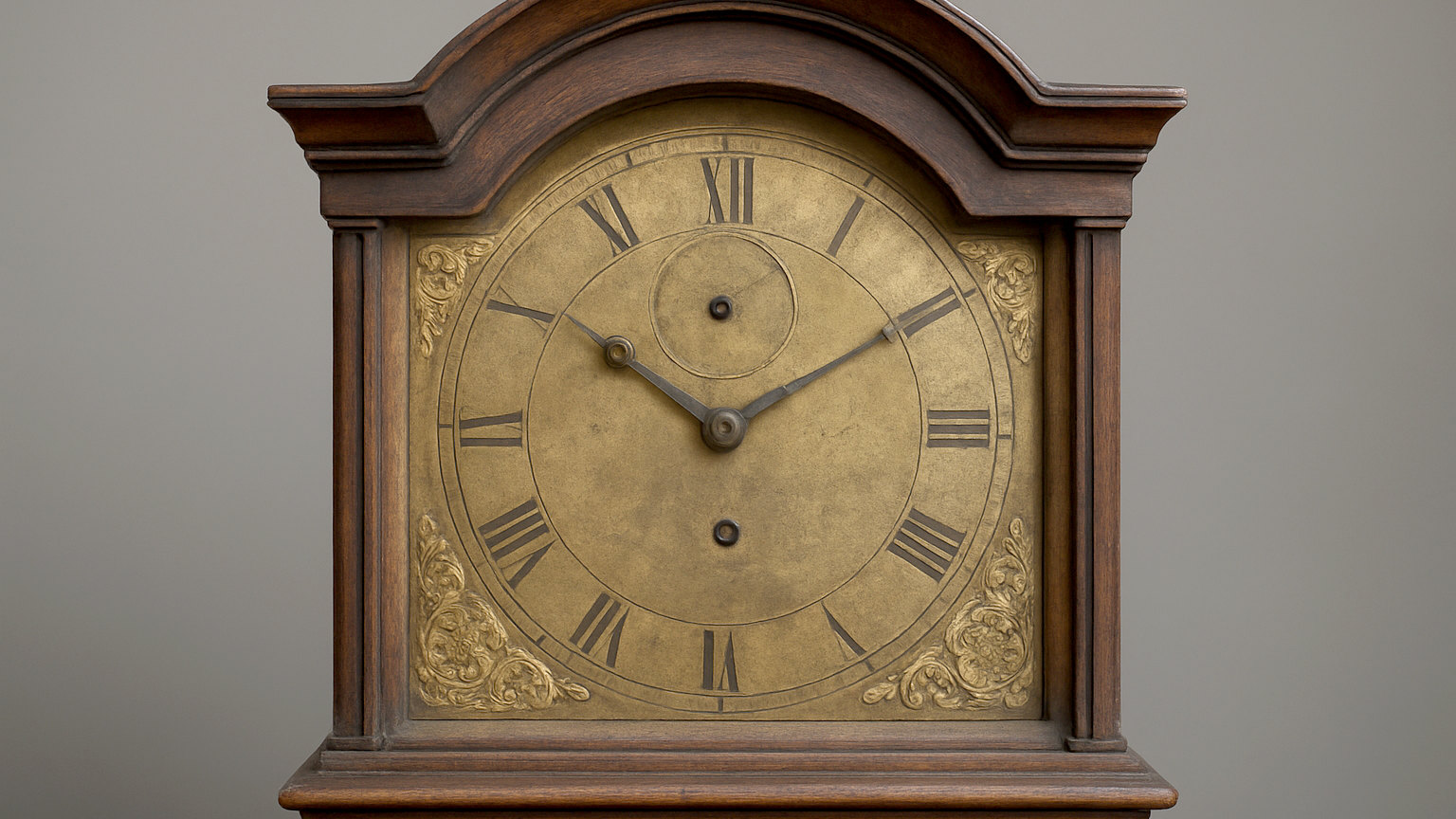
A longcase clock is a movement and a case, and they are frequently not the same age. Knowing which parts carry the value changes what you look at first.
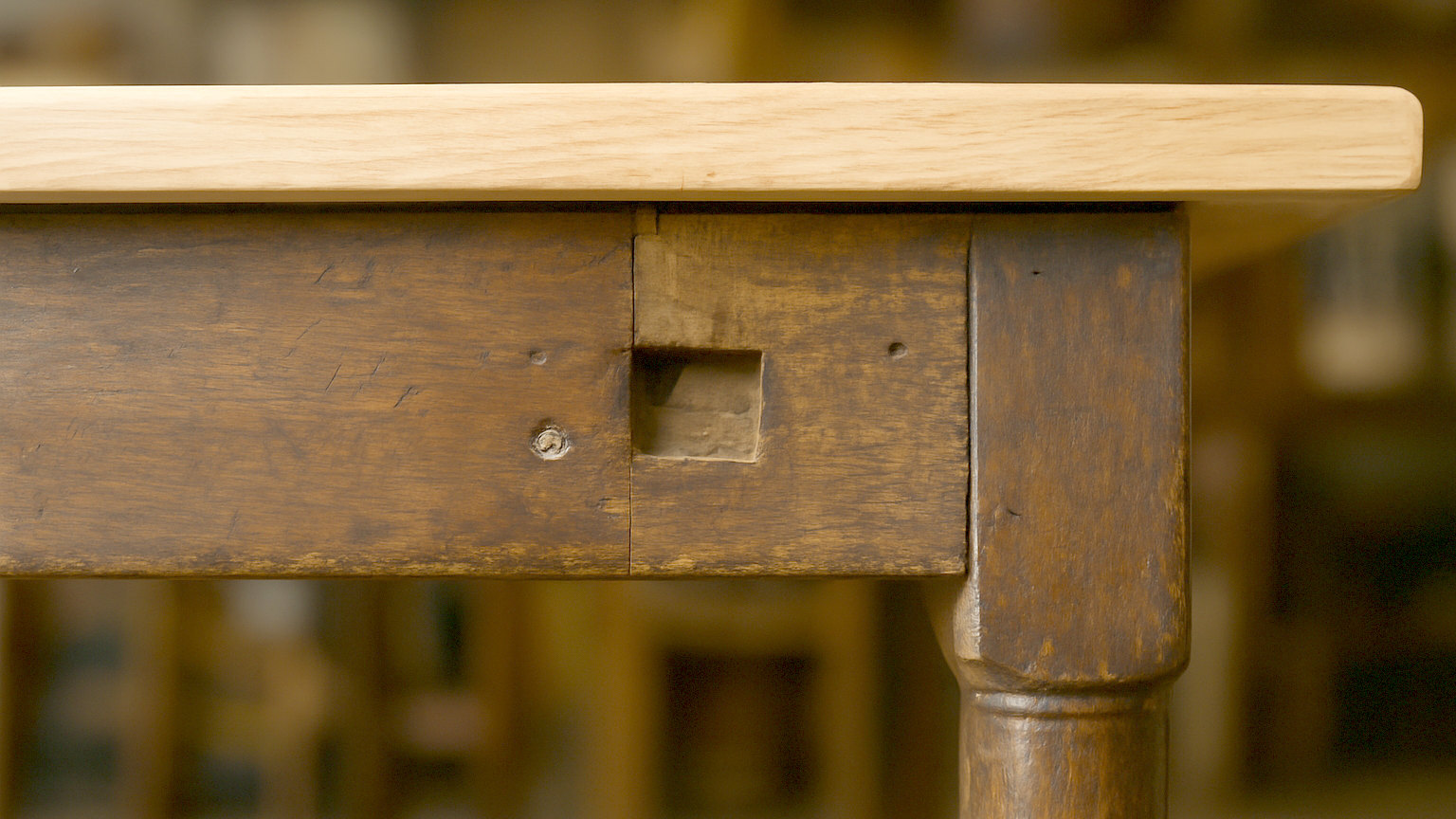
Tops get replaced, leaves go missing and bases get cut down to fit modern rooms. Each of those halves the value, and each leaves evidence underneath.
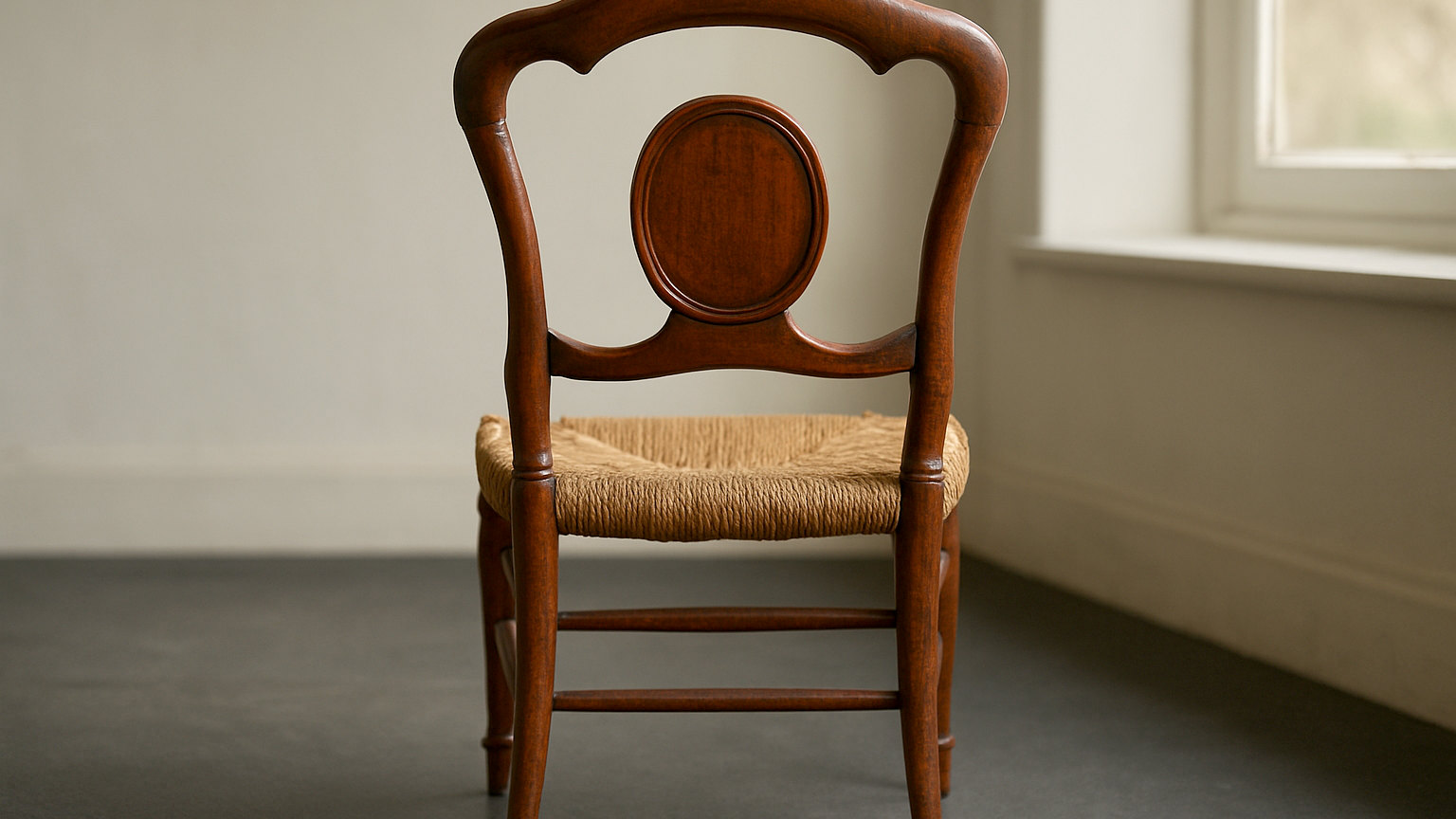
The back of a chair dates it faster than any other feature, and matched sets are where the money is. Six chairs together are worth far more than six times one.
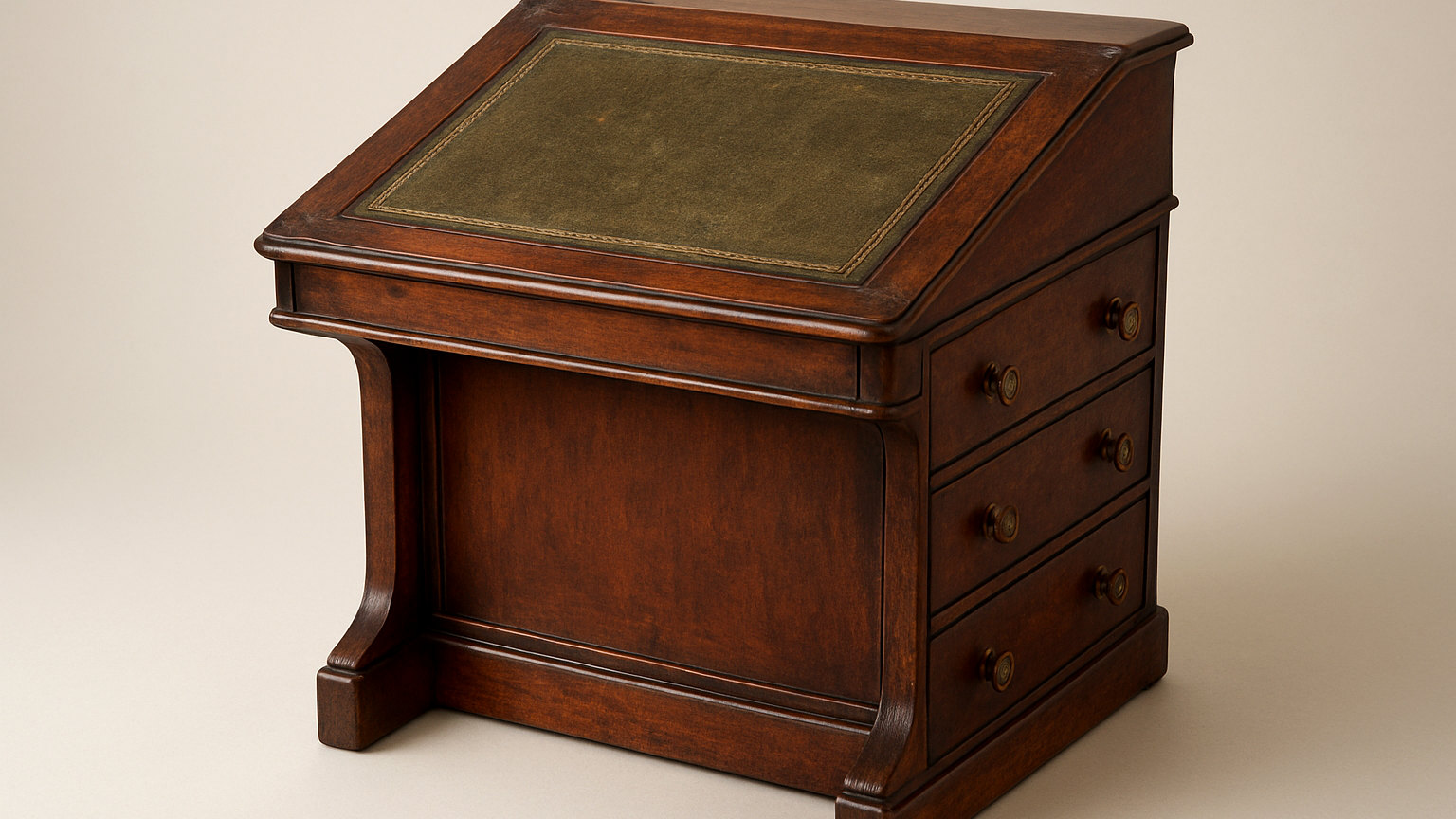
A davenport is a compact writing desk with a sloping top over a bank of drawers opening to one side only.