How to Identify an Antique Skeleton Clock
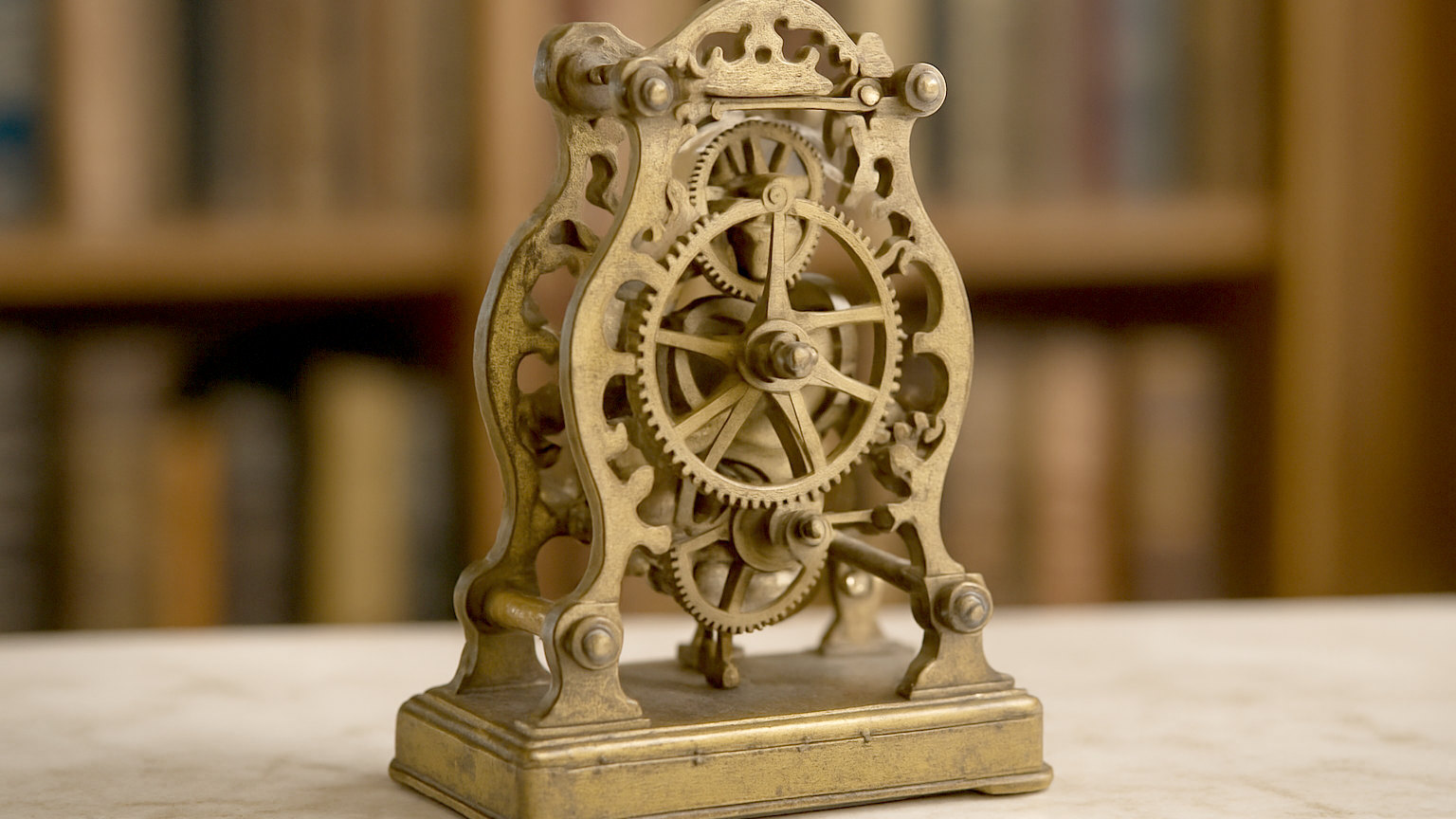
A skeleton clock hides nothing, which makes it the easiest clock to assess and the least forgiving of a poor movement.
By Antique Guides Editorial
11 Jul 2026

Furniture is the category where the object tells you most about itself. Hand-cut dovetails, saw marks, shrinkage across the grain, oxidation where light never reached and the wear on a drawer runner all carry dates, and none of them can be convincingly faked in quantity. These guides cover the main furniture forms alongside the clocks, lighting, mirrors and textiles that furnished the same rooms, with an honest account of what condition and restoration do to the price - which in brown furniture is frequently more than the maker does.
A skeleton clock hides nothing, which makes it the easiest clock to assess and the least forgiving of a poor movement.
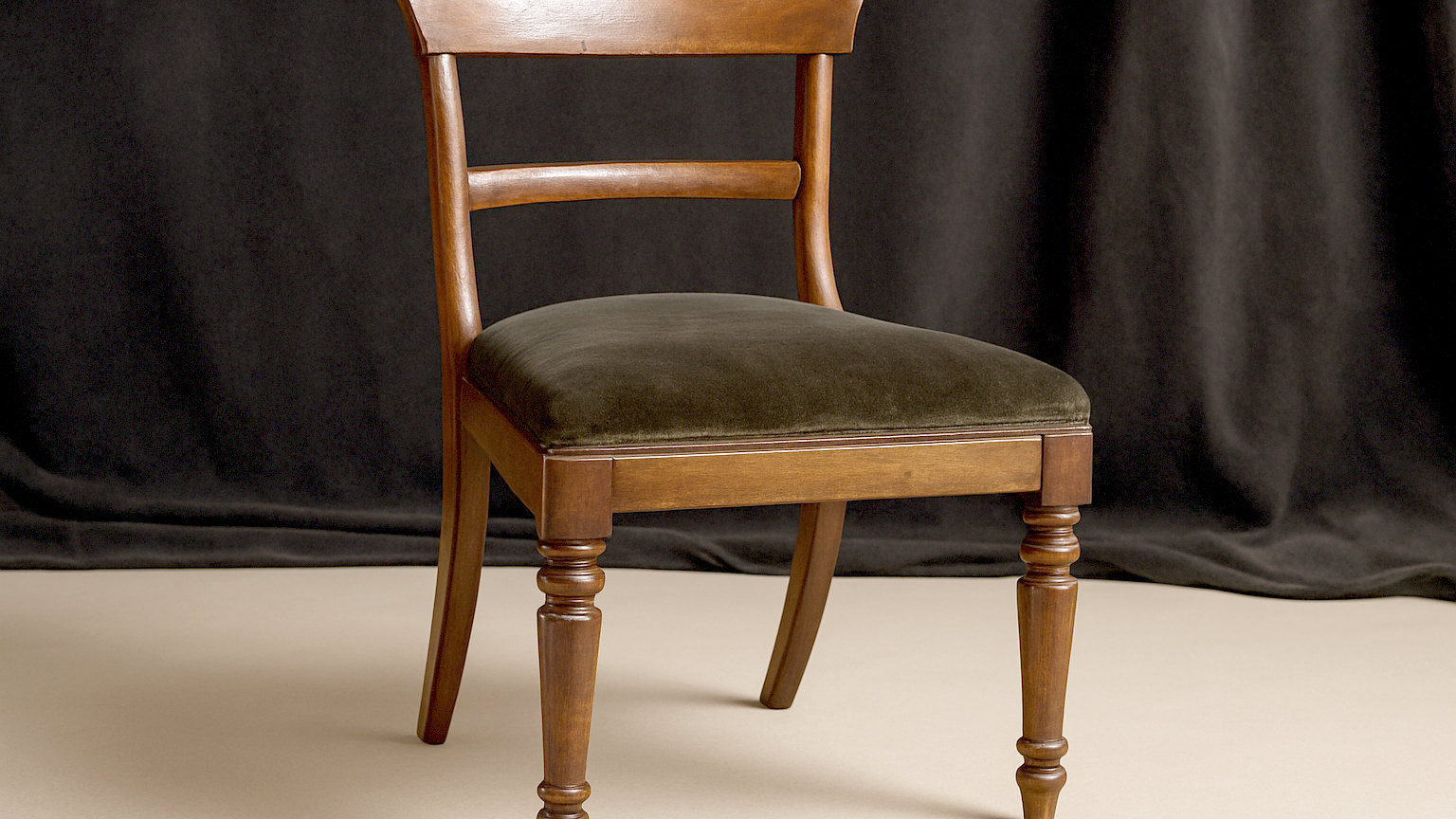
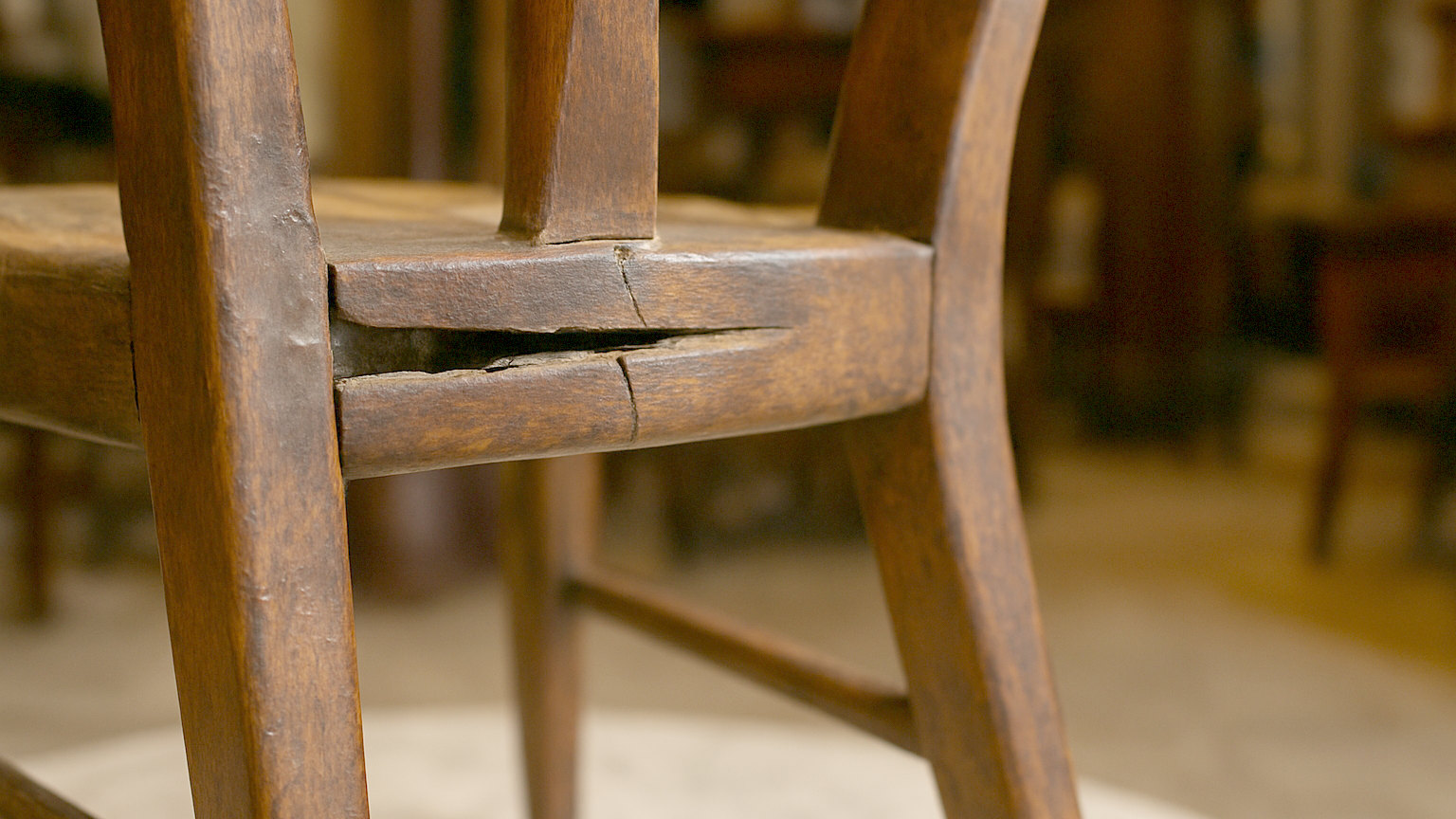
Almost every antique chair has been repaired, and most repairs do not matter. Knowing which ones do is what protects the price you pay.
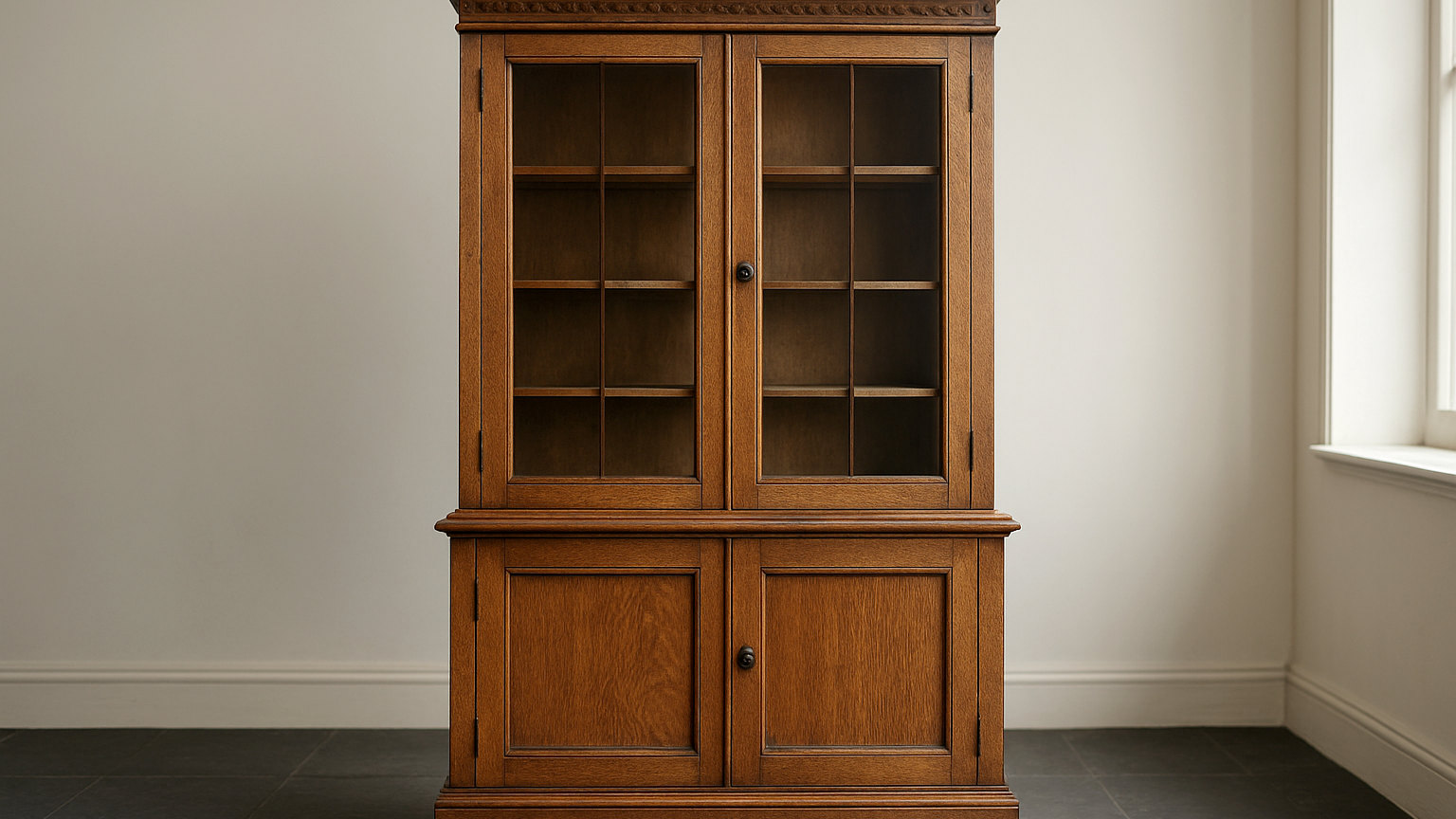
Bookcases are among the most altered furniture forms, because tall furniture rarely fits the next house it moves to.
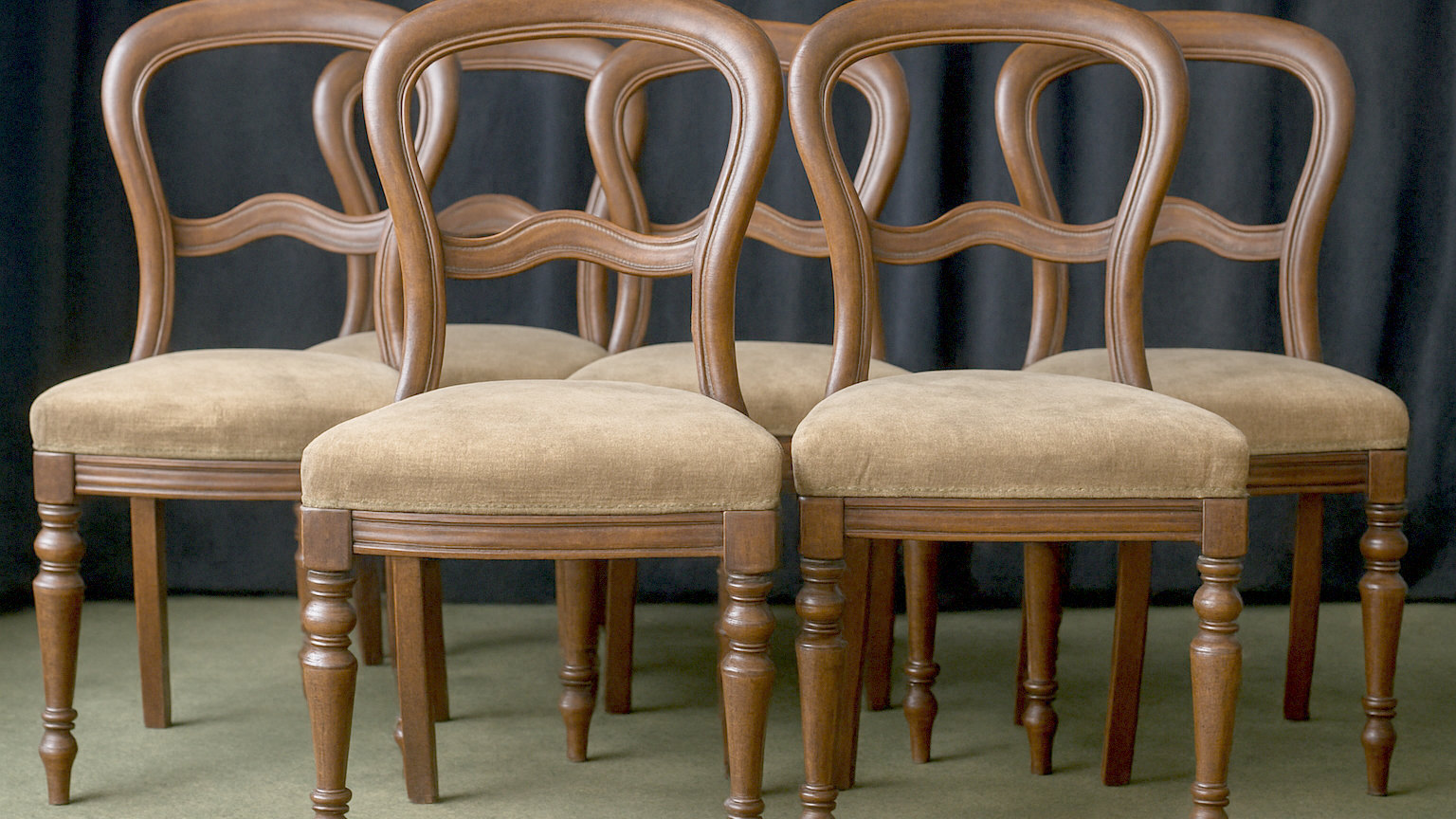
Six matching period chairs are worth considerably more than six times one, and the value steps up sharply with each pair added.
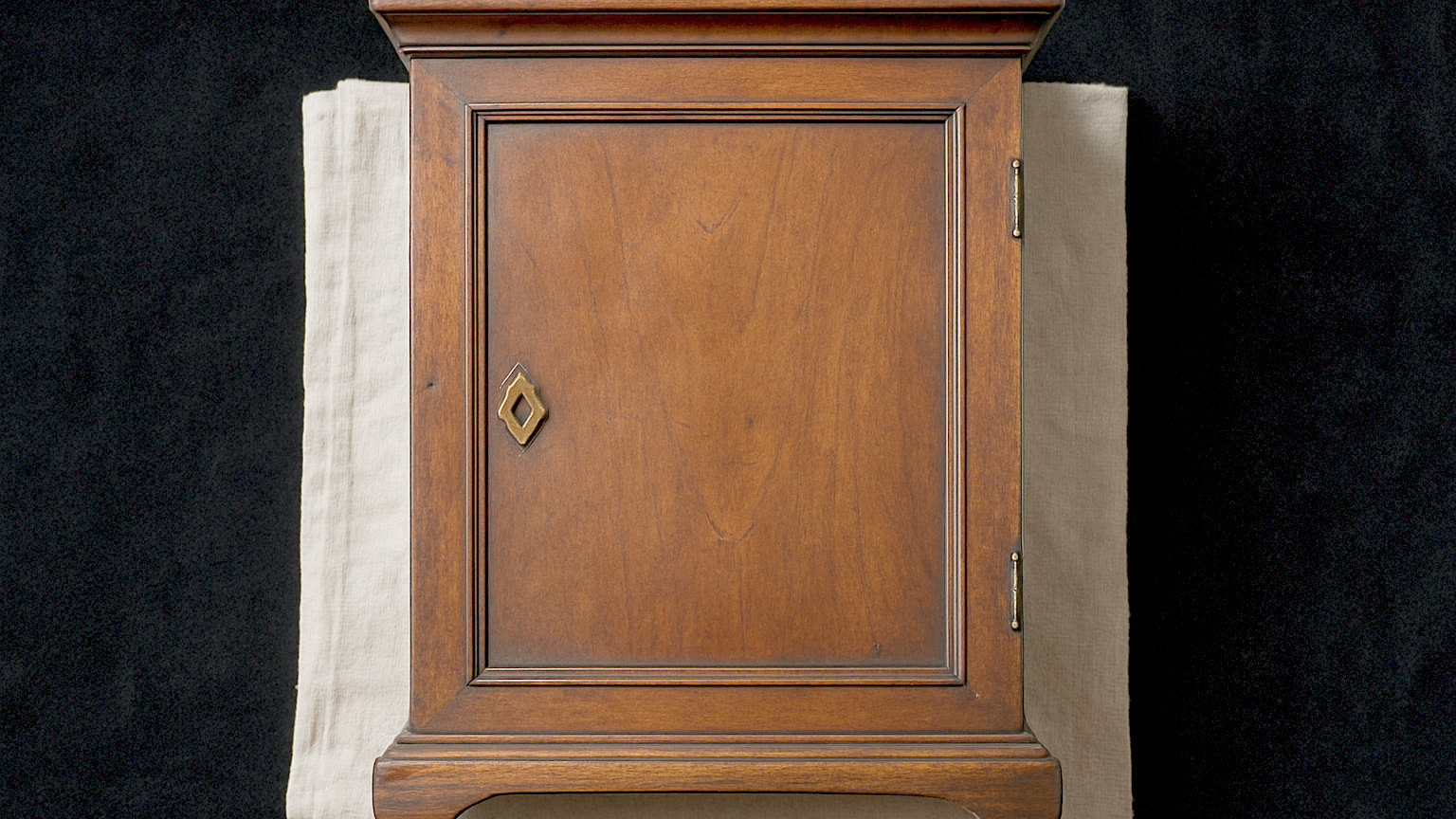
Ten minutes of systematic checking catches almost every problem a cabinet can have, provided you work in the right order.
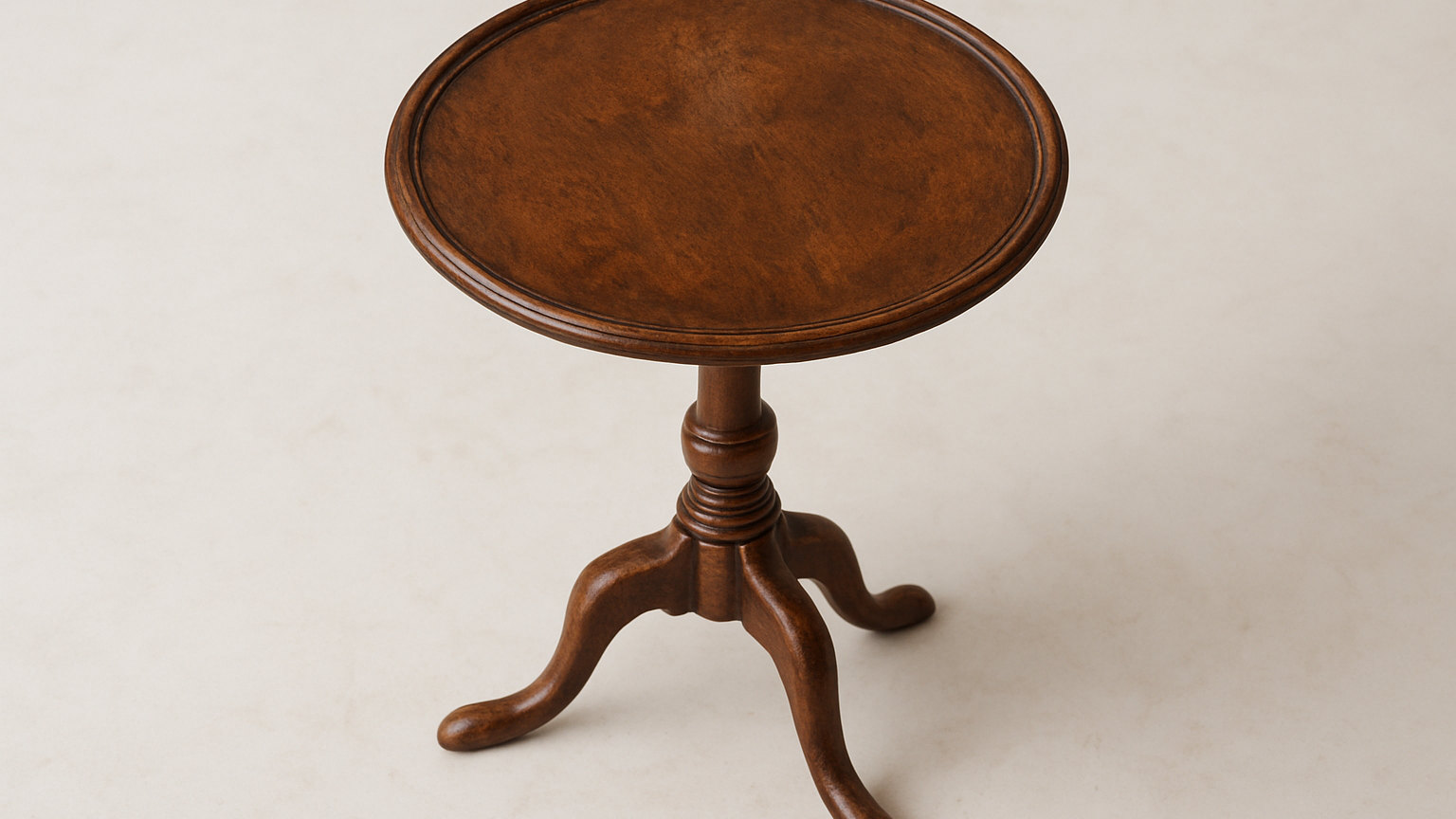
Tripod tables are among the most frequently altered furniture forms, and almost every check involves turning the top over.
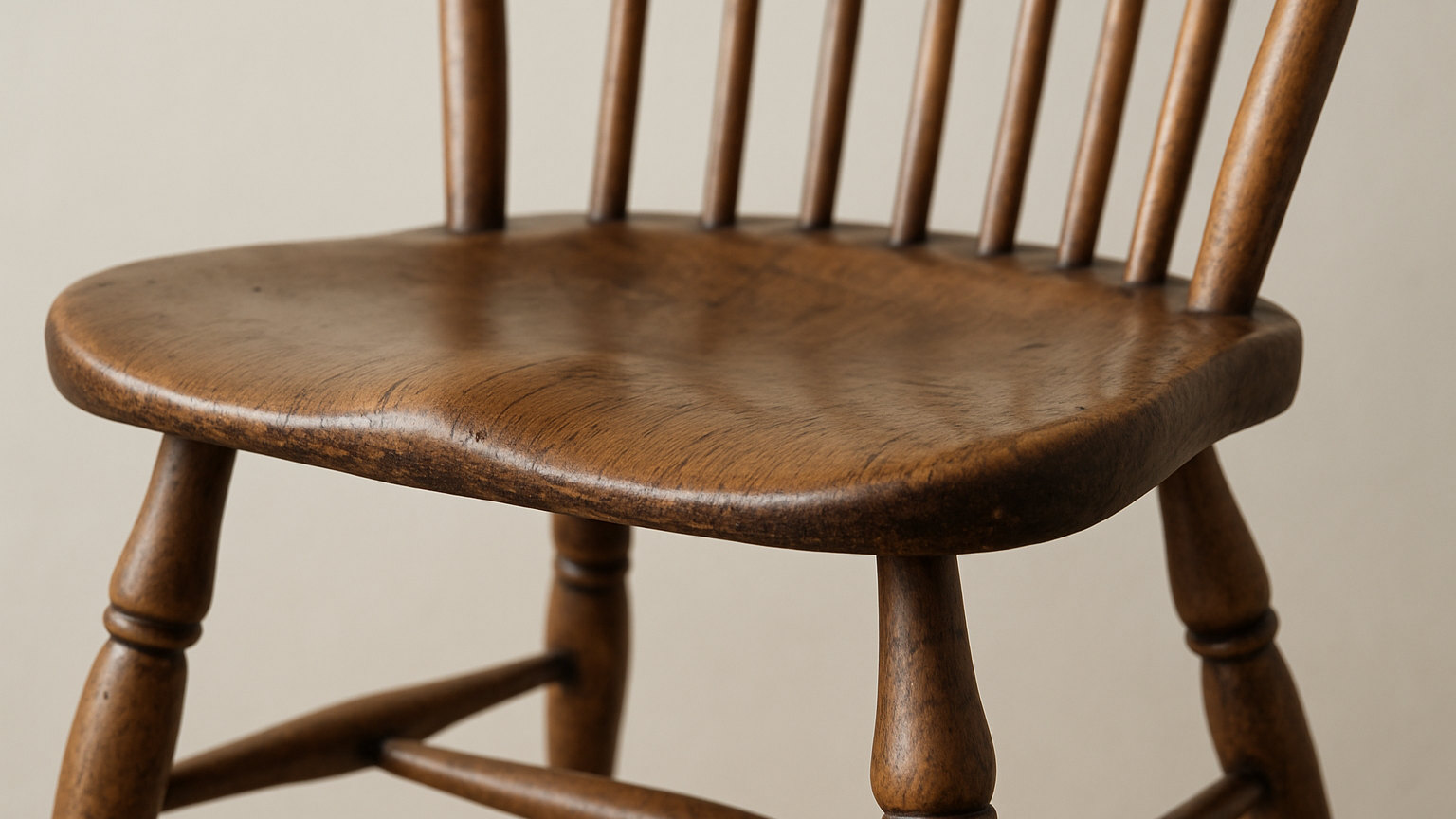
A Windsor chair is built around a solid shaped seat with every other component socketed into it, which is a completely different approach from framed furniture.
More antique chairs are damaged during a house move than in decades of ordinary use, and almost all of it comes from lifting them wrongly.
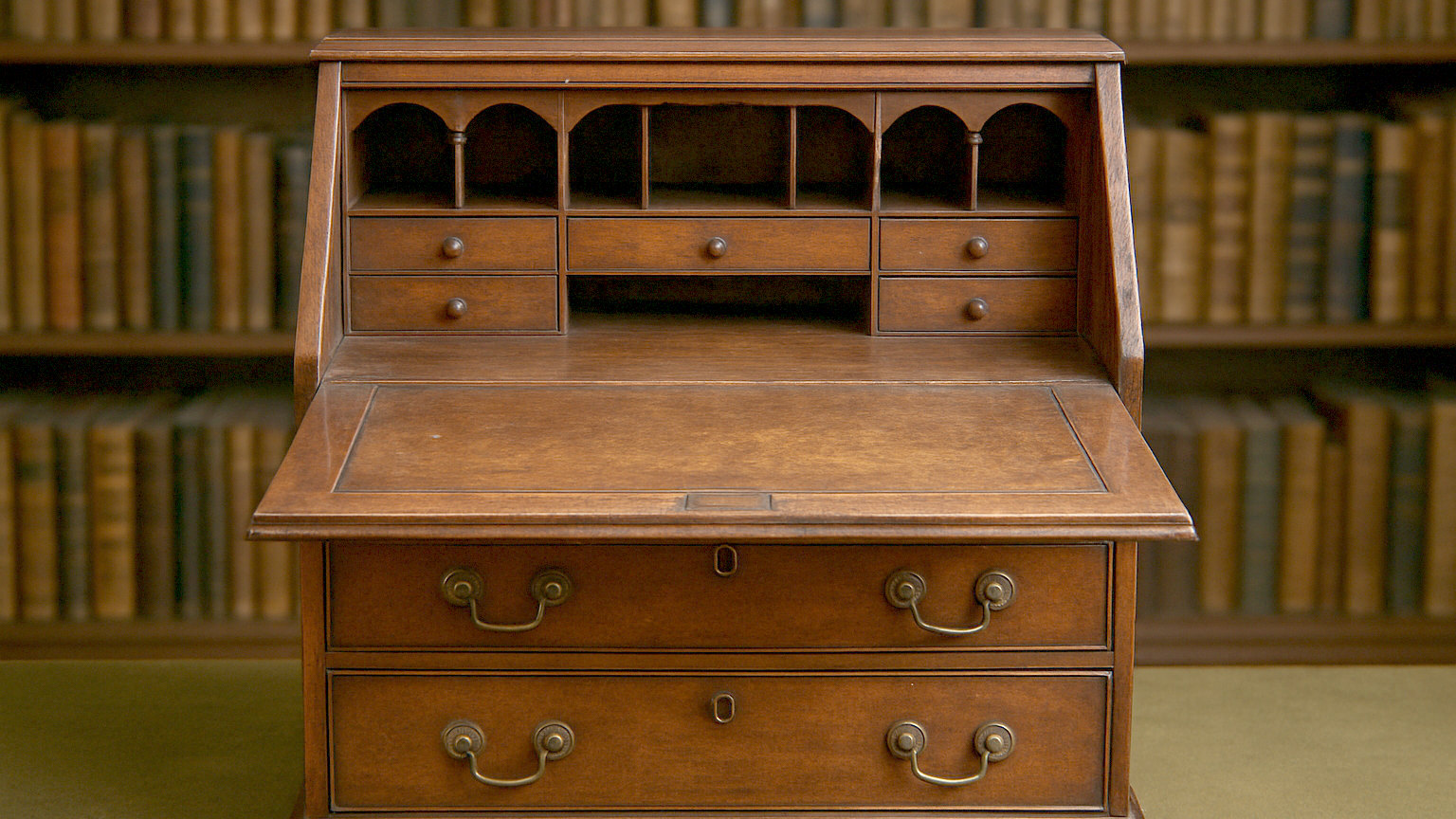
A bureau is valued on its fitted interior as much as its exterior, and interiors are frequently incomplete. Counting what should be there is the first job.
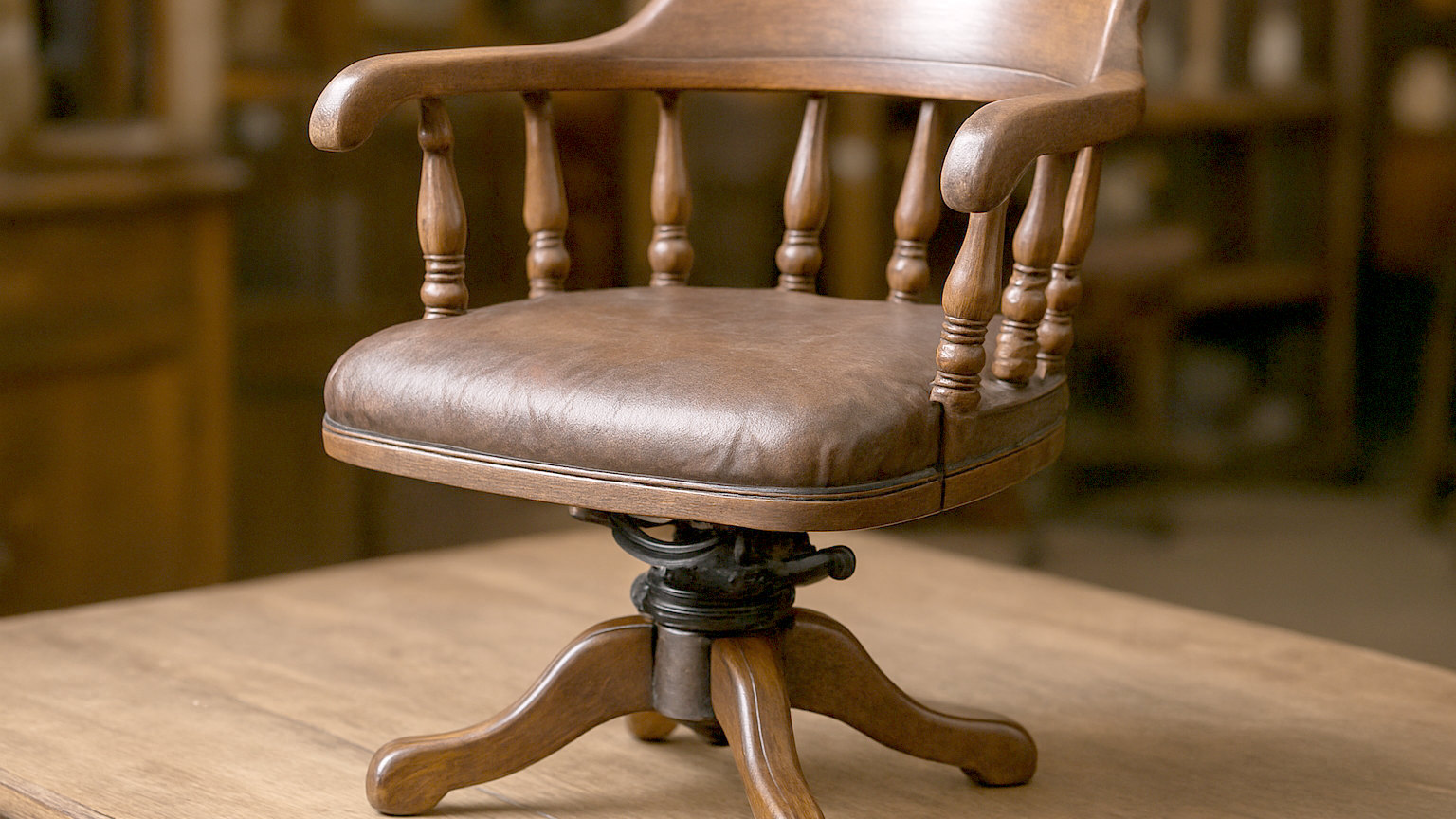
Library and desk chairs carry a mechanism, and the mechanism is frequently the most datable thing about them.
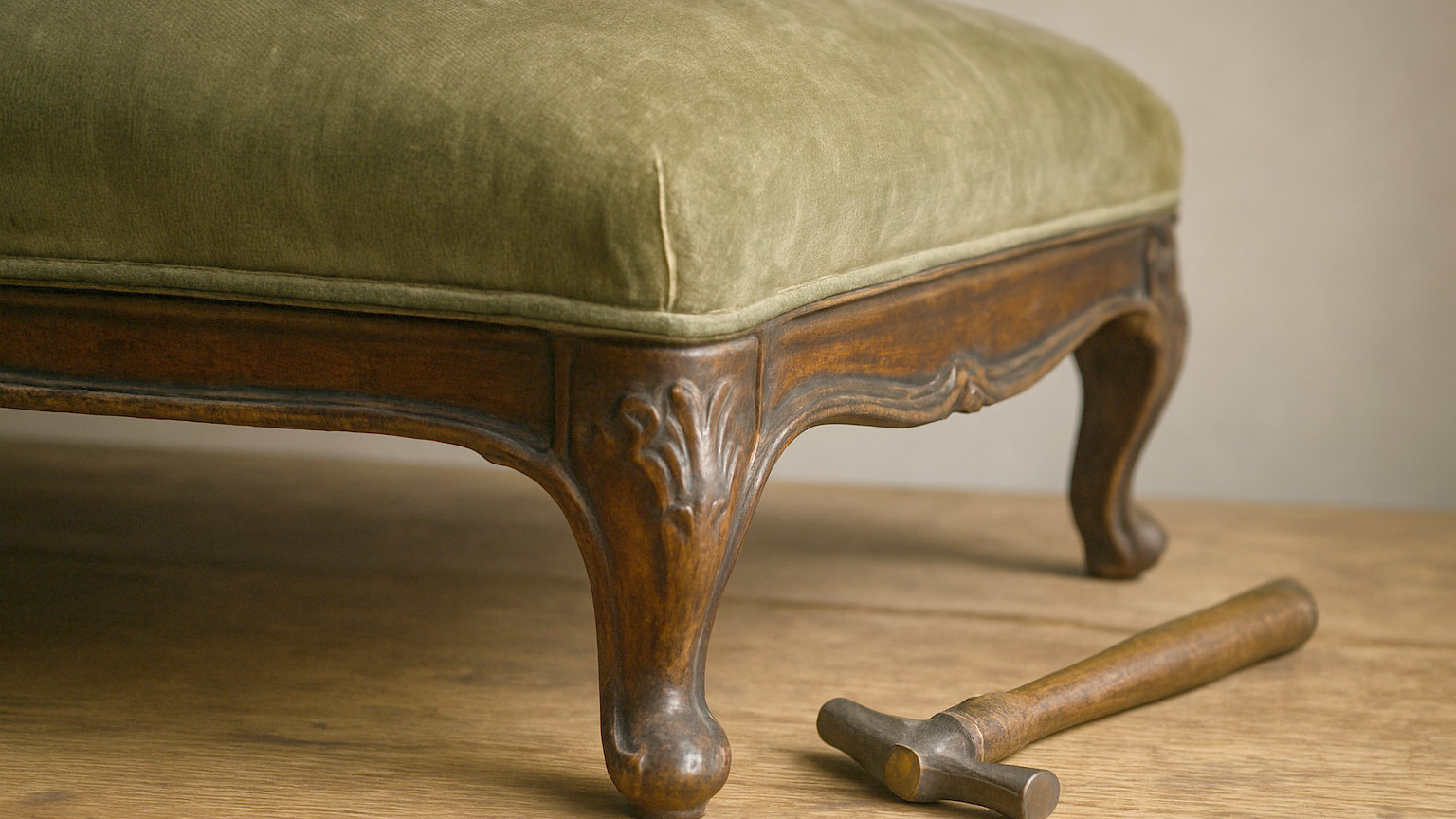
Long upholstered seating is among the most undervalued antique furniture, because very few modern rooms can actually take it.
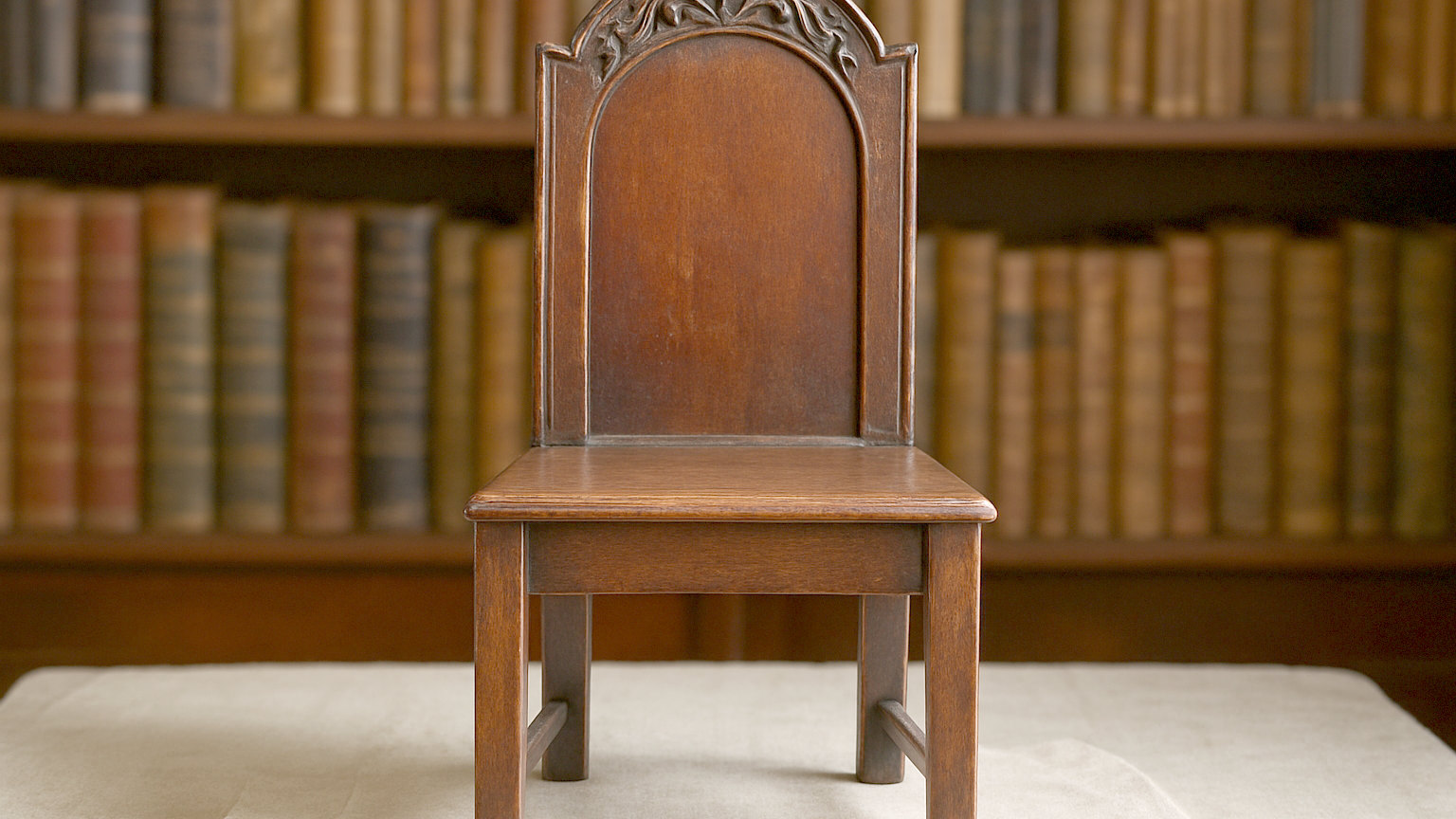
Hall chairs were designed to be looked at rather than sat in comfortably, which explains almost everything about how they were built.